Cancer treatment creates a cruel irony for patients: just when their bodies need more nutrients to fight the disease and recover from treatment, eating becomes one of the biggest challenges they face. Chemotherapy, radiation, and other cancer treatments can turn favorite foods into unpalatable options while simultaneously increasing the body's nutritional demands, putting cancer patients in a difficult position. As companies like Calidi Biotherapeutics Inc. (NYSE American: CLDI) work to develop and commercialize cutting-edge cancer treatments, the role that nutrition plays in patient outcomes cannot be overstated.
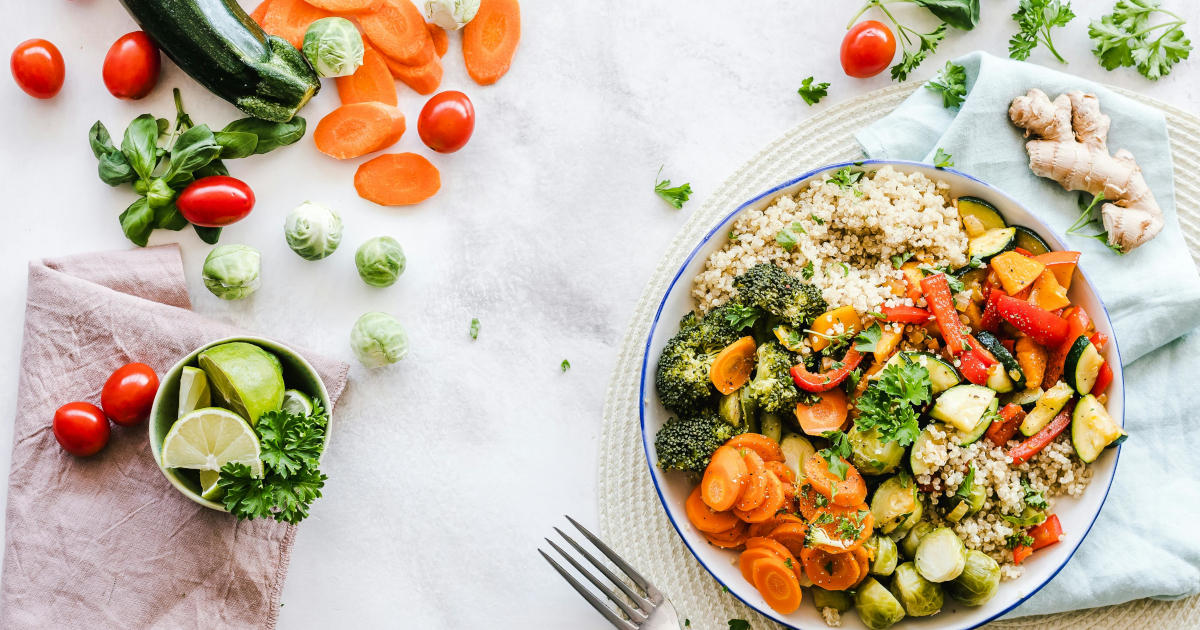
During cancer treatment, patients often experience side effects such as nausea, vomiting, taste changes, and loss of appetite. These symptoms can make it difficult to consume enough calories and essential nutrients, leading to weight loss, muscle wasting, and weakened immune function. To combat these issues, patients should focus on consuming nutrient-dense foods that are easy to eat and digest. For example, smoothies made with fruits, vegetables, and protein powder can provide a concentrated source of vitamins, minerals, and energy without requiring much chewing.
Incorporating high-protein foods like eggs, yogurt, and lean meats can help maintain muscle mass, while healthy fats from avocados and nuts provide additional calories. Patients may also benefit from eating small, frequent meals throughout the day rather than three large ones. This approach can help manage nausea and ensure a steady intake of nutrients. Additionally, using herbs and spices can enhance the flavor of foods that may taste bland or metallic due to treatment.
Hydration is another critical component. Dehydration can exacerbate fatigue and other side effects, so patients should drink plenty of fluids, including water, broths, and electrolyte-rich beverages. If oral intake is insufficient, healthcare providers may recommend nutritional supplements or even tube feeding to ensure adequate nourishment. It is essential for patients to communicate openly with their medical team about any eating difficulties, as individualized dietary plans can be developed to address specific needs.
The importance of nutrition during cancer treatment extends beyond physical health. Proper nourishment can improve energy levels, enhance mood, and potentially increase tolerance to treatment. Research suggests that well-nourished patients may experience fewer treatment delays and better outcomes. As the field of oncology continues to evolve, integrating nutritional support into standard care protocols is becoming increasingly recognized as a vital component of comprehensive cancer management.
For more information on nutritional strategies and ongoing research, patients and caregivers can explore resources from reputable organizations such as the National Cancer Institute or the American Cancer Society. These platforms offer evidence-based guidance on managing diet during treatment. Additionally, following updates from companies like Calidi Biotherapeutics can provide insight into emerging therapies that may complement nutritional interventions.