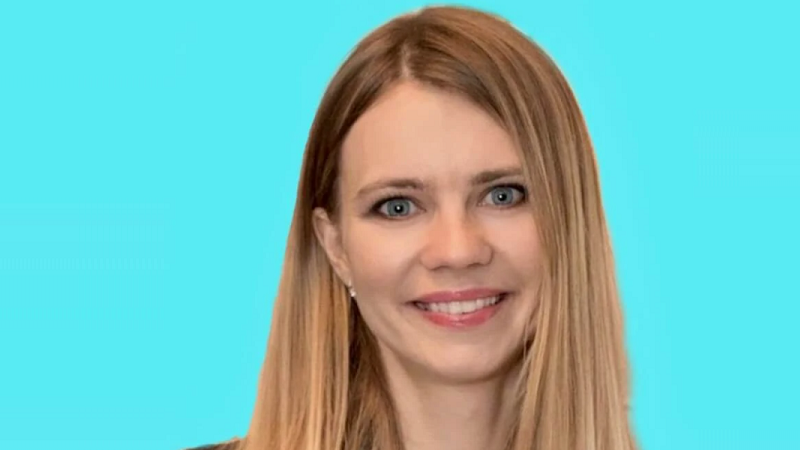
Maryna Hradovich, Co-Founder and COO of Maestra, an all-in-one marketing platform for scaling DTC brands, recently shared insights on the urgent need for customer-centric marketing and the pitfalls of tool overload. Drawing from her experience scaling Semrush to a NYSE-listed company with $300M+ in annual revenue, Hradovich emphasized that true personalization requires a unified platform and dedicated support.
Hradovich explained the fundamental shift from channel-centric to customer-centric marketing: instead of optimizing individual channels like email or SMS in silos, brands must start with the customer's journey. She illustrated this with a scenario where a shopper named Jane receives personalized recommendations and follow-ups across web, SMS, and email, creating a seamless experience. This approach, she noted, is critical because consumers now expect personalization akin to Netflix or Amazon.
The urgency is driven by customer expectations and tangible results. Hradovich cited Maestra clients like Enlightened Equipment, which achieved 22% revenue growth in two months with no extra spend, and Jolyn, which saw 17% growth in total revenue and a 22% increase in repeat revenue. These outcomes, she argued, show that customers reward brands that remember their preferences.
Tool overload remains a major barrier. Hradovich described how marketers juggle separate tools for email, SMS, product recommendations, quizzes, and more, leading to data silos and wasted hours. Consolidation into a single platform, like Maestra, reduces costs and friction. For example, Furniture Fair cut its marketing stack costs by 27% after consolidating. Hradovich also stressed that time savings are significant: teams freed from administrative tasks can focus on strategy.
Hradovich highlighted Maestra's customer success model as a key differentiator. Every client gets a dedicated Customer Success Manager (CSM) with a maximum of 15 accounts per CSM, versus the industry norm of 50+. This high-touch approach includes real-time Slack communication, weekly strategy sessions, and proactive monitoring. She called this evolution 'Service-as-a-Software,' blending scalable technology with expert guidance. Kyle from Furniture Fair noted that Maestra has set a new standard for customer success.
For DTC marketing leaders reviewing their tech stack, Hradovich advised: 'Scale smart, not hard.' She recommended focusing on personalizing the entire customer journey beyond email, consolidating tools to eliminate silos, and finding a strategic partner for hands-on implementation. Mid-market brands, in particular, can achieve meaningful growth without becoming tech experts.
The interview underscores a broader trend: as marketing technology becomes more complex, integrated solutions with strong support are increasingly vital. Hradovich's experience at Semrush and now Maestra positions her as a voice for customer-centric growth. For more insights, connect with Maryna on LinkedIn.