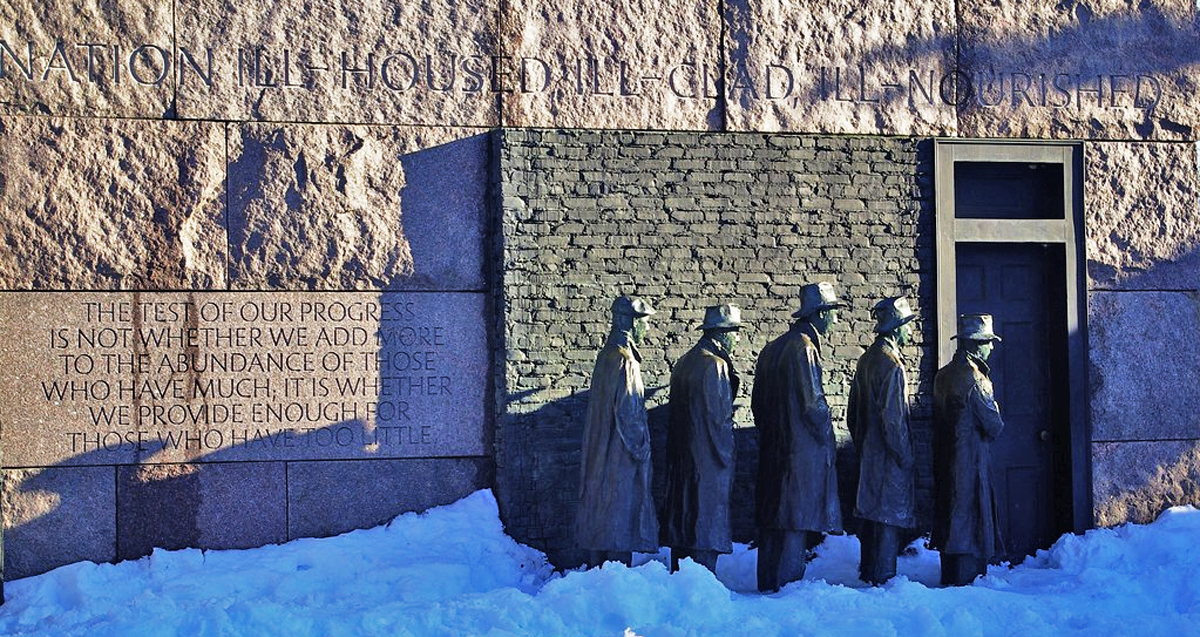
Maryland lost another 2,500 federal jobs in August, marking the second consecutive month the state has led the nation in federal job losses, according to data from the Maryland Department of Labor. The total number of federal jobs lost in the state since January has reached 15,100, the highest in the country. This trend highlights ongoing economic challenges as the state grapples with federal workforce reductions.
Meanwhile, the Purple Line light rail project, originally slated to open in 2022, is now expected to begin operations in late 2027. The 16-mile, 21-station line traversing Montgomery and Prince George's counties has faced court cases, delays, contractor withdrawals, and the COVID-19 pandemic. The estimated building cost has ballooned to $5.6 billion, with the total cost including operations reaching $9.5 billion—nearly $4 billion more than the original price. Despite these hurdles, officials maintain the project remains on track.
A new report from the state comptroller reveals that the vast majority of Maryland school facilities are in need of repairs or are considered "functionally unreliable." Skyrocketing construction costs have exacerbated the situation, leaving many schools in poor condition. The report underscores the urgent need for investment in public school infrastructure.
Governor Wes Moore is betting big on quantum computing as a key "lighthouse" industry to drive economic growth. From South Carolina to Tokyo, Moore has promoted the emerging sector as a potential catalyst for Maryland's economy, despite its high risk. The state aims to attract businesses in this cutting-edge field to create jobs and spur innovation.
Nearly 300,000 Marylanders who purchased health insurance on the state's Affordable Care Act Marketplace will face a 13.4% average premium rate increase in 2026. The Maryland Insurance Administration approved the hike, which is 3.7% lower than the 17% originally proposed by insurers. Insurers attribute the increase to the elimination of federal premium tax credits by Congress and the Trump administration.
In education, the federal government has ended the National Blue Ribbon Schools program, a designation beloved by Maryland educators. Last year, 356 schools nationwide received the honor, including ten in Maryland. The program recognized high-achieving schools and those closing achievement gaps.
Governor Moore responded to U.S. Transportation Secretary concerns about Maryland's use of diversity, equity, and inclusion programs in selecting contractors for the Francis Scott Key Bridge replacement. Moore emphasized the project's overall cost and schedule, with initial projections of $1.8 billion and completion by 2028.
Maryland Democrats condemned ABC's suspension of Jimmy Kimmel Live! after controversial comments, calling it censorship. Representative Johnny Olszewski described it as the type of suppression seen in authoritarian regimes.
The housing market is slowing, according to the Maryland Association of Realtors. Densely populated areas like Baltimore City, Montgomery, Howard, and Prince George's counties have seen significant decreases in homes sold this year compared to last.
State health officials issued a blanket prescription for the COVID-19 vaccine after Health Secretary Robert F. Kennedy Jr.'s vaccine advisers declined to recommend the shots. This move ensures residents can obtain vaccines without requiring individual prescriptions from providers.
Baltimore City is battling the proliferation of dollar stores with a new bill requiring "small box" retail establishments in commercial zones to obtain conditional use approval from the Zoning Board. The bill aims to give residents leverage in controlling store growth.