Maryland is confronting a series of significant policy and financial challenges as the Trump administration cancels billions in clean energy grants, a federal judge rules against the administration's funding cap, and state leaders push for redistricting. The developments carry broad implications for the state's energy policy, social safety net, and political representation.
Nearly $8 billion in clean energy projects across 16 states, including Maryland, are being cut by the Trump administration. The cancelled grants, totaling $7.6 billion, supported hundreds of projects in states that voted for Democrat Kamala Harris in the last presidential election. According to an Associated Press report, the decision has sparked concern among clean energy advocates and state officials who view the funding as critical for reducing emissions and creating jobs.
In response, a federal judge found that the U.S. Department of Energy broke the law last month when it attempted to cap federal funding states could receive for staff and administrative costs of sustainable energy projects. Maryland Attorney General Anthony Brown welcomed the ruling, which came in a lawsuit joined by Maryland and 19 other states. The decision underscores ongoing legal battles over federal energy policy and states' rights.
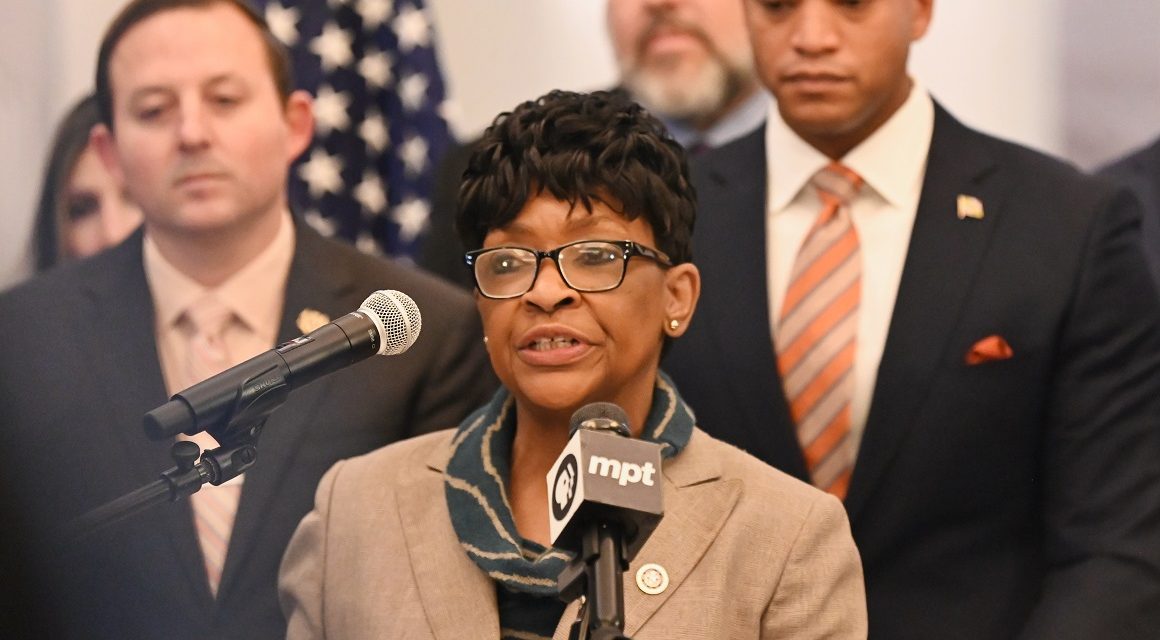
Meanwhile, Maryland House Speaker Adrienne Jones is pushing for congressional redistricting, arguing that "now is the time" to redraw the state's congressional lines to counteract changes made in GOP-controlled states. Jones stated she is "eager" and "willing" to consider redrawing lines, a move that could reshape Maryland's congressional delegation and influence national politics. The push comes amid heightened partisan tensions over redistricting nationwide.
On the immigration front, a U.S. immigration judge in Baltimore denied a bid for asylum from Kilmar Abrego Garcia, whose case has become a proxy for the partisan struggle over immigration policy. The judge rejected an application to reopen Garcia's 2019 asylum case, but the decision is not final. The case highlights ongoing debates over immigration enforcement and due process.
Additionally, experts warn that approximately 700,000 Marylanders could see disruptions to their Supplemental Nutrition Assistance Program (SNAP) benefits if a federal government shutdown continues past several weeks. The potential disruption threatens food security for vulnerable populations across the state.
Other notable developments include a landfill's request to double leachate discharge into the Bird and Gunpowder rivers, facing community opposition; a "pistachio tide" in Baltimore's Inner Harbor prompting water quality concerns; and Baltimore City Councilman Mark Conway filing to run against U.S. Rep. Kweisi Mfume in the Democratic primary. These stories reflect the diverse challenges facing Maryland, from environmental issues to political contests.