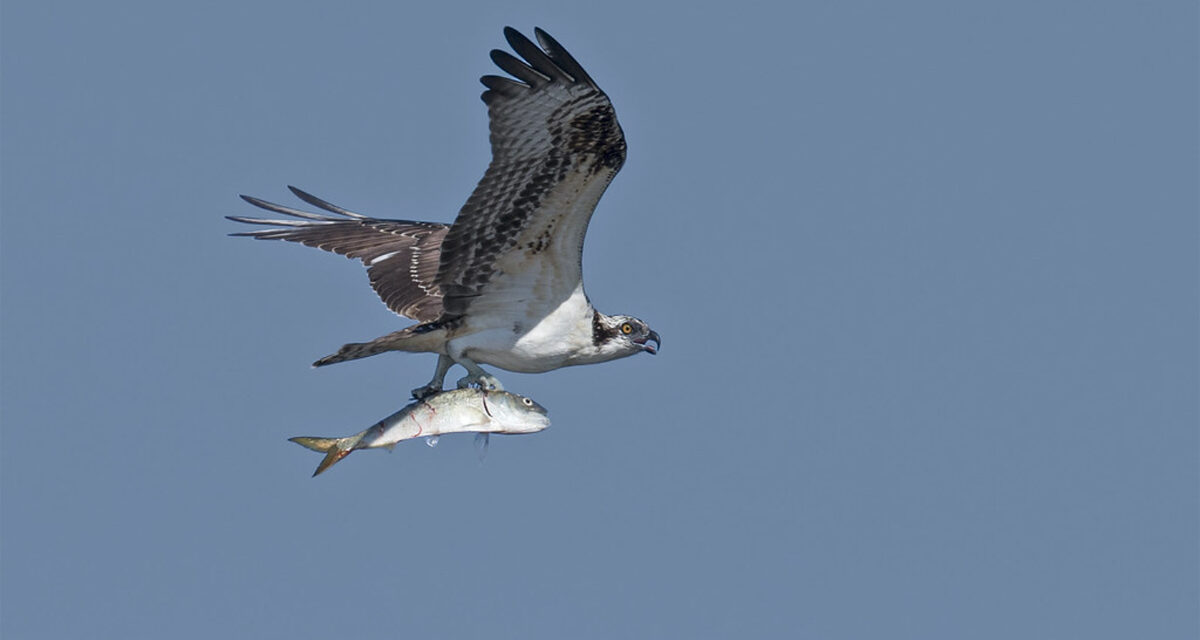
Across the Chesapeake Bay, fishermen are reeling in fewer striped bass. Many osprey have stopped laying eggs, and chicks that do hatch often starve to death in the nest. These bad omens may be tied to the faltering health of Atlantic menhaden, a nutrient-rich fish foraged by larger bay species and used by the bay’s people since pre-Colonial times. At stake is a flagging effort to save the estuary’s cherished osprey and striped bass, balanced against hundreds of jobs in Virginia that rely on the menhaden fishery, the last of its kind on the Atlantic seaboard, as reported by The Baltimore Banner.
Menhaden serve as a critical link in the bay's food web, filtering plankton and providing sustenance for predators. Their decline could destabilize the entire ecosystem, undermining decades of restoration work. Scientists warn that without intervention, the bay’s iconic species may face irreversible damage. However, the menhaden industry supports hundreds of jobs in Virginia, creating a contentious debate between environmentalists and commercial fishermen.
The situation has drawn attention from policymakers, with some calling for stricter catch limits. The Atlantic States Marine Fisheries Commission is under pressure to act, but any decision will have economic ripple effects. The outcome could set a precedent for how the region balances ecological health with economic interests.
For more details, see the original coverage from The Baltimore Banner.