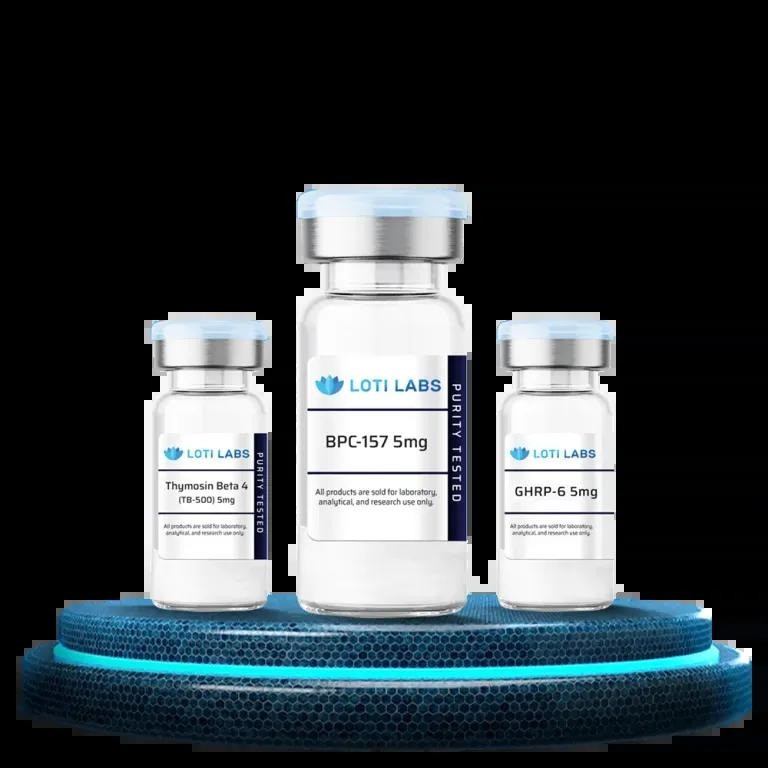
Peptides, short chains of amino acids, are emerging as critical tools in therapeutic design due to their ability to act as signaling or structural molecules, according to a recent release from Loti Holdings LLC. The report, titled “Peptide Science: Mechanisms and Research Applications,” explains how the sequence, structure, and chemical properties of peptides influence biochemical pathways, with practical implications for metabolic research, tissue repair, and antioxidant studies.
Peptides are formed via condensation reactions that create peptide bonds, resulting in a backbone with free N- and C-termini. Short peptides, such as dipeptides and tripeptides, exhibit high solubility and quick turnover, while longer oligomers can adopt secondary structures like alpha helices or beta sheets. The length and sequence of the chain significantly affect chemical stability, enzymatic degradation, and receptor affinity. The primary distinction between peptides and proteins lies in size: peptides typically contain fewer than 50 residues and often function as signaling molecules, whereas proteins fold into stable three-dimensional structures for structural, catalytic, or transport roles.
Peptides operate through several recurring mechanisms, including receptor binding, enzyme modulation, and membrane disruption. Binding to receptors relies on complementary surfaces formed by side chains, dictating affinity and specificity. Activation of receptors often engages G-proteins or kinase pathways, leading to second-messenger responses such as cAMP or calcium flux. Peptides are also involved in paracrine and endocrine signaling, enzyme inhibition, and antimicrobial membrane interactions. These varied mechanisms render peptides versatile tools for biochemical modulation.
Notable peptide classes highlighted in the report include collagen peptides, which affect extracellular matrix synthesis; BPC-157, under investigation for angiogenic signaling and structural repair; GLP-1 receptor analogs, which influence metabolic pathways; antimicrobial peptides targeting microbial membranes; and thymosin-like peptides studied for immune-cell regulation. Each class demonstrates varying mechanisms and levels of experimental evidence, with some supported by preclinical models and others examined in controlled laboratory settings.
Delivery and stability remain key challenges. Short sequences are susceptible to proteolytic degradation, while longer polypeptides require proper folding or chemical modifications. Formulation strategies may include acetylation, cyclization, or encapsulation in lipid-based systems. Factors such as molecular size and polarity impact bioavailability and systemic distribution.
The report emphasizes that rigorous validation of sequence, purity, and structural characteristics is necessary to ensure reproducible results. For more details, Loti Labs provides resources on their website.