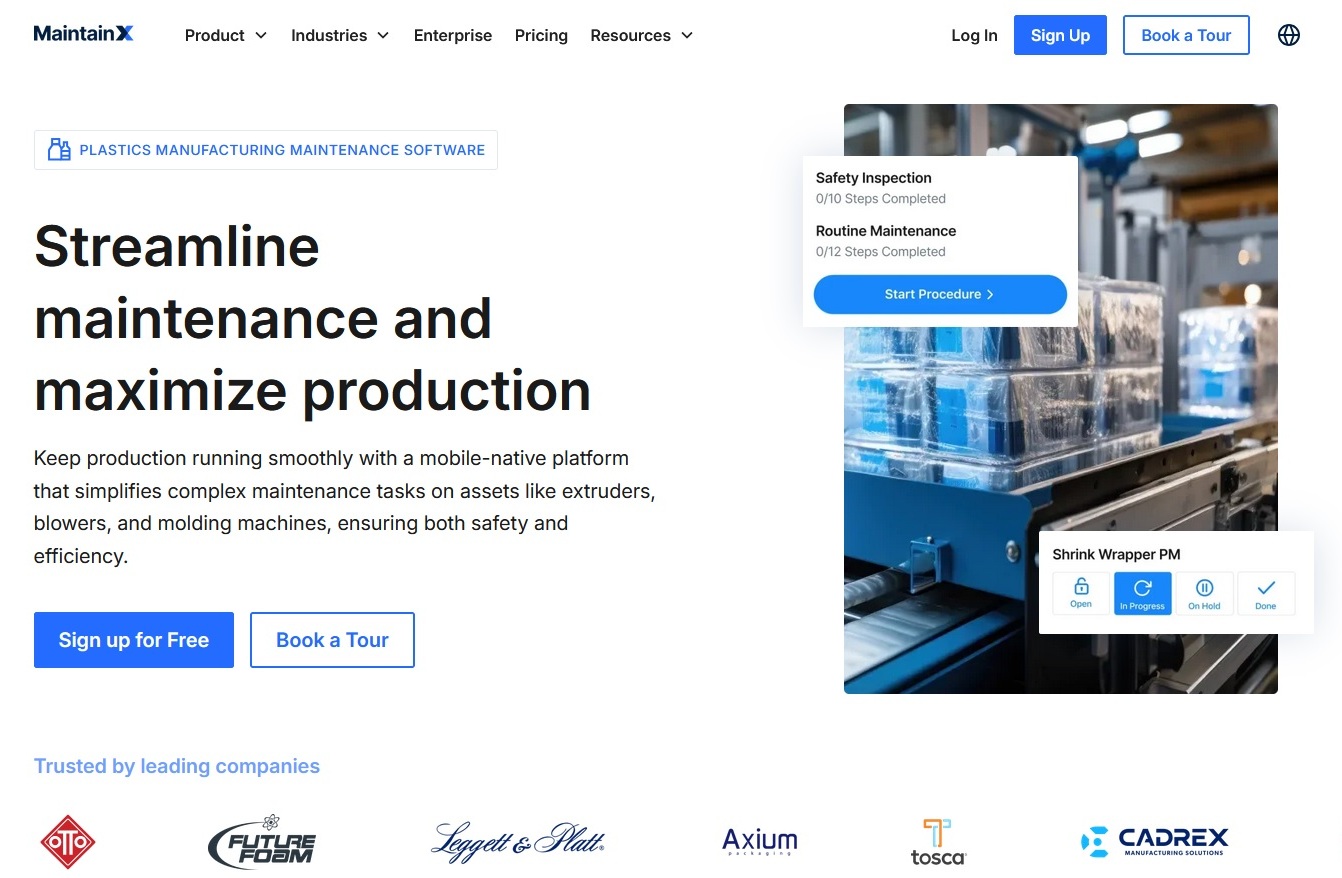
In the plastics manufacturing industry, even a few hours of machine downtime can lead to substantial production losses. As plants rely heavily on extrusion and injection molding machines, material handling systems, and other equipment, maintenance teams face mounting challenges including unplanned breakdowns, reactive repairs, compliance pressures, and inefficient communication. To address these issues, many manufacturers are turning to plastics manufacturing maintenance software, which offers preventive and predictive capabilities that help avoid costly disruptions.
According to industry experts, reactive maintenance—waiting for equipment to fail before fixing it—is both expensive and inefficient. Maintenance software enables teams to schedule preventive tasks such as lubrication, calibration, and inspections based on usage or time intervals. More advanced systems support predictive maintenance by analyzing real-time data to detect potential problems before they escalate. This shift from reactive to proactive maintenance can significantly improve asset reliability.
Key features of maintenance software include simplified digital work orders that eliminate paper-based confusion. Technicians can view, amend, and close work orders on mobile devices, while plant managers gain visibility into progress, bottlenecks, and delays. This streamlined communication improves coordination across shifts and departments.
Regulatory compliance is another critical area. Plastics manufacturers must adhere to ISO and OSHA standards, which require meticulous recordkeeping. Maintenance software automatically tracks inspections, logs service history, and generates audit-ready reports, reducing administrative burden and helping demonstrate compliance.
Inventory management is also enhanced through a Computerized Maintenance Management System (CMMS). Teams can monitor part usage, automate reordering, and ensure essential spares are always available. This eliminates the common obstacle of not having the right spare part when needed. Data-driven decision making becomes possible as the software tracks key performance indicators like maintenance costs per asset, mean time to repair (MTTR), and mean time between failures (MTBF). Managers can allocate resources more effectively and build proactive strategies aligned with business goals.
Real-world impact is substantial: McKinsey reports that predictive maintenance can reduce machine downtime by 30-50% and increase equipment life by 20-40%. For a plastics manufacturer, this translates into significant cost savings and higher output. The concept is analogous to regular car oil changes—neglect leads to breakdowns and hefty repair bills, while proper maintenance extends smooth operation for years.
To implement maintenance software, experts recommend starting by identifying weaknesses in the current maintenance plan, setting measurable goals such as reducing downtime or improving compliance, and selecting software with mobile access, reporting, and integration capabilities. It's important to ensure both managers and technicians are comfortable with the system. Implementation should begin with the most critical assets before expanding facility-wide.
The pressure on plastics manufacturers to increase output, speed up production, and improve quality standards is growing. Reactive maintenance is no longer sustainable. By adopting software for maintenance in plastics manufacturing, businesses can transition to a proactive, data-driven model that increases productivity, enhances compliance, and drives profitability. Facilities that embrace smart maintenance will lead the future of plastics manufacturing.