

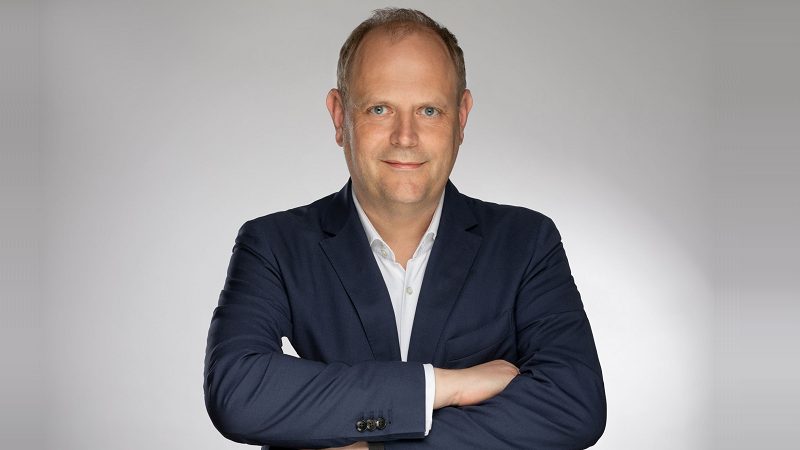
Clemens Stockreiter, founder and CEO of RE:CIRCLE Solutions Inc., is rethinking how the waste management industry handles pre-consumer food waste. In a recent Q&A, he detailed how his company’s Ontario facility operates as an “industrial nutrition facility” rather than a traditional recycling plant. With a team of PhD nutrition scientists, RE:CIRCLE analyzes every inbound shipment to create optimal feed formulations for livestock, converting waste streams into high-value animal feed products.
“We’re not in the disposal business – we’re in the business of transforming waste streams where possible into high-value animal feed products that provide reliable nutrition for livestock while significantly reducing carbon emissions,” Stockreiter said. The company’s TraceOS system provides full traceability, tracking inbound and outbound weights and calculating emissions avoided per shipment. This helps clients meet California’s SB 1383 requirements, which mandate a 75% reduction in organic waste disposal by 2025.
Stockreiter emphasized that RE:CIRCLE’s approach differs from traditional waste management companies that focus on disposal. “We’re extracting maximum nutritional value from pre-consumer food waste before it ever reaches consumers,” he said. The facility currently handles 100 tons per day of pre-consumer waste from grocers and food processors, producing two main feed blend types for cattle, swine, and anaerobic digestion, with several proprietary formulations in development.
Regarding expansion, Stockreiter noted the facility was designed for replication. “We already have a second depackaging line ready to deploy once we secure the right partnerships,” he said, adding that California’s market is substantial enough to support multiple facilities, especially with SB 1383 driving demand.
For retailers and food processors, the business case for partnering with RE:CIRCLE lies in transforming waste from a cost center into a revenue-generating asset. “Our clients get complete traceability through TraceOS, quantifiable emissions reductions, and the ability to demonstrate they’re creating high-value products from their waste streams,” Stockreiter said. This contrasts with traditional composting or landfill diversion, which he described as the “end of the line” for waste.
Stockreiter’s background includes senior roles at Mondi, PreZero US, and Sky Plastic Group, providing over two decades of experience in the circular economy sector. He holds a degree from Vienna University of Economics and Business and completed the General Management Program at Harvard Business School. RE:CIRCLE’s model, he said, keeps organic resources at their highest possible value, cutting emissions by preventing methane from landfills and displacing carbon-intensive feed production.
