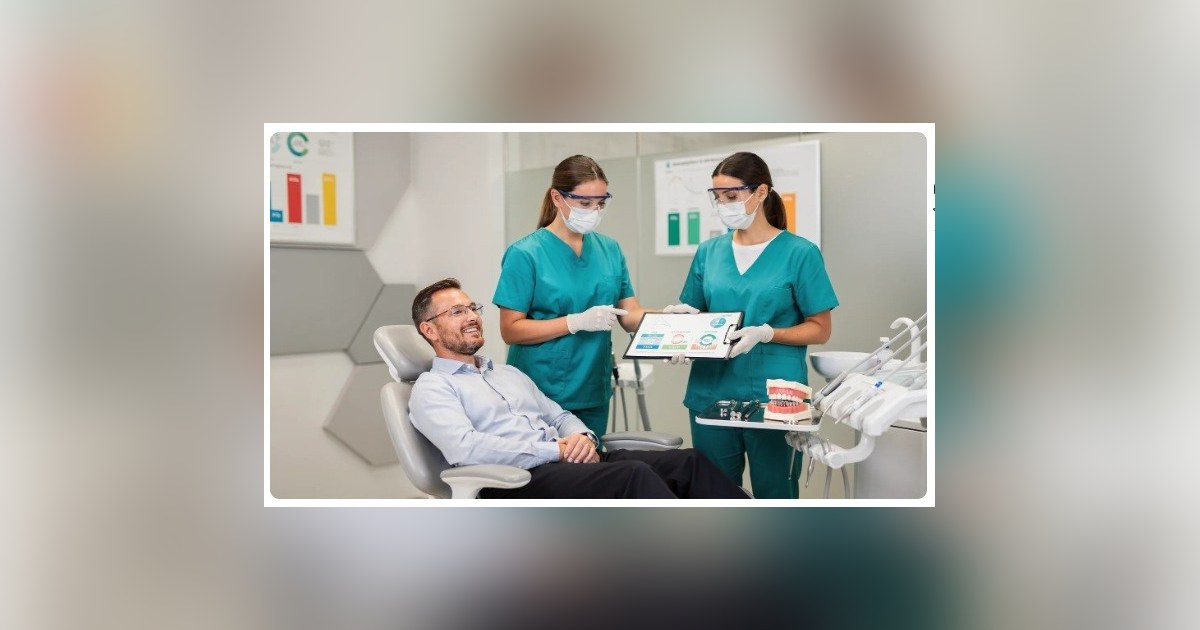
Replacing missing teeth with dental implants is a significant investment, but finding affordable dental implants does not require sacrificing quality. A new professional guide emphasizes that patients should understand what they are paying for, compare complete treatment plans, and explore insurance and financing options to manage costs effectively.
The total cost of dental implants can vary widely because treatment often involves multiple stages: examination, imaging, extraction, implant placement, healing time, abutment, and final restoration. According to the FDA, implants can restore chewing ability, appearance, and oral function while helping preserve bone. However, comparing one advertised implant price to another can be misleading if the quotes cover different components. Patients should request a written estimate detailing exactly what is included.
Understanding why dental implants can feel expensive is the first step toward making informed decisions. A complete treatment plan may include consultations, X-rays, tooth extraction, temporary teeth, and permanent crowns. Additional procedures like bone grafting may be necessary if there is insufficient bone volume. The FDA recommends discussing both benefits and risks with a dental provider and determining candidacy through a professional evaluation.
Rather than searching for the lowest price, patients should start with a thorough dental evaluation. This helps identify underlying issues such as gum disease or bone loss that could affect treatment. Asking "What will I need from the first appointment through the final restoration?" provides a clearer picture of the investment. Each treatment plan should explain recommended procedures, their purpose, sequence, and estimated costs, distinguishing optional from necessary services.
When comparing providers, patients should look beyond the advertised price. A low quote for the implant fixture alone is not comparable to a package including imaging, abutment, crown, and follow-up care. Requesting detailed estimates from multiple offices allows for fair comparisons. A lower initial quote can become more expensive if important components are excluded, while a higher quote may reflect additional appropriate services.
Dental insurance may cover portions of implant-related treatment, but coverage varies. The ADA notes that plans can involve annual maximums, deductibles, waiting periods, and service limitations. Contacting your insurance provider for a detailed explanation of benefits and requesting a pre-treatment estimate can clarify expected out-of-pocket costs. Financing options, such as in-office payment plans or third-party financing, can make treatment more manageable, but patients should review interest rates, fees, and total repayment amounts before signing.
Staged treatment, where procedures occur over several appointments, can help patients budget. Bone grafting, if needed, may increase time and expense, but avoiding necessary procedures can lead to complications. Choosing quality implant materials, such as titanium or zirconium oxide, and a qualified provider with experience is crucial. The FDA advises patients to ask about the brand and model of their implant system and keep that information for records.
Long-term value should guide decisions, not the lowest price. Inexpensive treatment that leads to complications or early replacement may cost more overall. Maintaining implants with good oral hygiene and regular dental visits helps protect the investment. The FDA recommends following provider instructions and contacting a dentist promptly if an implant becomes loose or painful.
Be cautious of deals that seem too good to be true. Dramatically discounted offers may exclude essential components or come with conditions. Pressure to decide immediately is a red flag; quality care begins with proper evaluation and informed consent. Asking detailed questions about what is included, which implant system is used, and what follow-up care is provided shifts the conversation from price alone to appropriate care at a manageable cost.
Building a budget around the complete treatment plan, rather than the first advertised number, is essential. Patients can explore dental insurance benefits, flexible spending accounts, and payment arrangements. The ADA reports that dental spending in the United States increased in early 2026, with out-of-pocket spending remaining significant. Planning ahead is especially valuable when treatment involves multiple appointments.
For those in Tyler, Texas, Dentist in Tyler - Dentures & Dental Implants offers professional guidance on affordable implant options. Their website provides resources on Affordable Dental Implants and explains Why Dental Implants Can Feel Expensive. Affordable dental implants should mean better access to appropriate treatment, not lower standards. By comparing complete plans and considering long-term value, patients can find care that fits both their oral health needs and their budget.