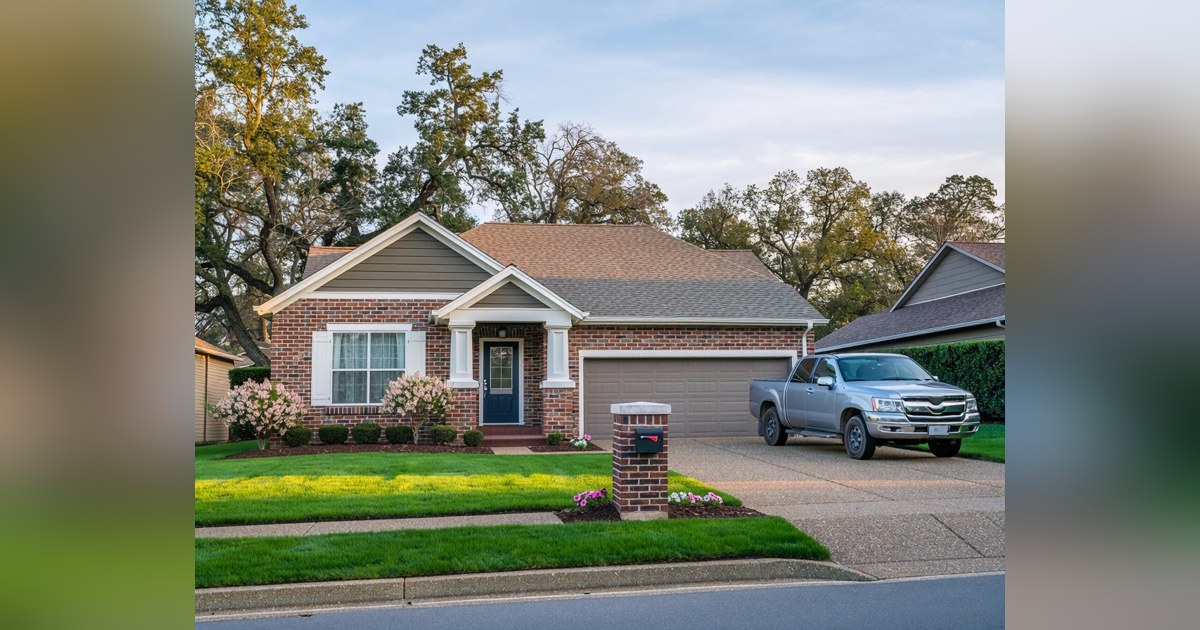
Arkansas has a reputation as one of the most landlord-friendly states in the country, but that reputation does not exempt property owners from clear legal requirements on security deposits. Jerry Larkowski, Managing Broker at ESQ. Realty Group, LLC in Little Rock and a licensed attorney, warns that out-of-state investors and even local landlords often cut corners on deposits, exposing themselves to significant financial penalties.
Arkansas law caps security deposits at two months' rent. The statute's deposit rules do not apply to an individual owner with five or fewer rental units, unless those units are managed by a third party for a fee. That exception is critical for investors. Most out-of-state owners hire a local property manager, which means the deposit rules generally apply to them even if they own only one or two homes. Larkowski says the vast majority of out-of-state investors he sees use local property management companies, which handle deposits for them. Investors who self-manage from another state need a plan for holding and returning that money.
While Arkansas law does not require landlords to keep deposits in a separate account, Larkowski recommends it anyway. "It would be wise to keep that money in a different account than the bank accounts that they use to collect rent and pay expenses from," he says. "The reason for that is that you need to be able to refund those security deposits when they move out." A deposit that has been spent on a roof repair or a mortgage payment is still owed to the tenant. Keeping it separate makes it much easier to return on time.
Another common mistake is treating the deposit as last month's rent. When a tenant gives notice, a landlord might walk the unit, see it is in good shape, and agree to apply the deposit to the final month's rent. Larkowski says that works only when both sides agree to it. The deposit is not meant to be a substitute for the last rent payment. Arkansas law lays out a specific process: within 60 days after the tenancy ends and the tenant turns over possession, the landlord must return the deposit. The landlord may keep money for unpaid rent and for damage caused by the tenant's failure to follow the lease, but those deductions must be itemized in a written notice sent with any remaining balance.
For example, a landlord holds a $2,000 deposit, and repairs after move-out cost $1,100. Once the contractors are paid, the remaining $900 goes back to the tenant. Larkowski acknowledges that plenty of landlords skip these steps, and that trouble usually comes only if a tenant takes it to court. He does not recommend taking that chance. A tenant who proves money was wrongfully withheld can recover twice that amount, plus attorney's fees.
Sometimes the damage is bigger than the deposit. If repairs came to $3,300, the landlord would be $1,300 short. Arkansas landlords can sue for that balance, but Larkowski says it rarely makes sense. "It's really hard to get money out of people, assuming that they win," he says. "By the time they hire an attorney and pay filing fees and service fees and take time out of their day, to most of them, it's just not worth it." That makes the deposit, the move-in inspection, and tenant screening the landlord's real protection.
For investors evaluating rental property in Central Arkansas, current listings are a starting point, and a clear deposit process should be part of the plan before the first lease is signed. In a state that gives landlords this much room, the deposit is one of the few places where the law asks for a receipt.