Beijing's unique position as the only city to have hosted both the Summer and Winter Olympics is being harnessed to drive a thriving sports event economy, as demonstrated during the recent National Day holiday. The convergence of high-profile international tournaments with cultural tourism and commercial activities has created a new model for urban economic development, turning sports events into engines of consumption and city branding.
The China Open tennis tournament, held at the National Tennis Center, exemplified this trend. After Novak Djokovic secured his seventh title when opponent Alex de Minaur retired due to injury in the final on October 6, the excitement spilled beyond the courts. The event's 'second venue' featured big-screen viewing, officially licensed merchandise, and food and beverage outlets, blending sports passion with the city's relaxed holiday atmosphere. According to Yin Xufei, head of the China Open officially licensed merchandise store, the two stores at the north and south ticket gates each received over 10,000 visitors daily during the National Day holiday, offering nearly a thousand products that give tournament memories a tangible form.
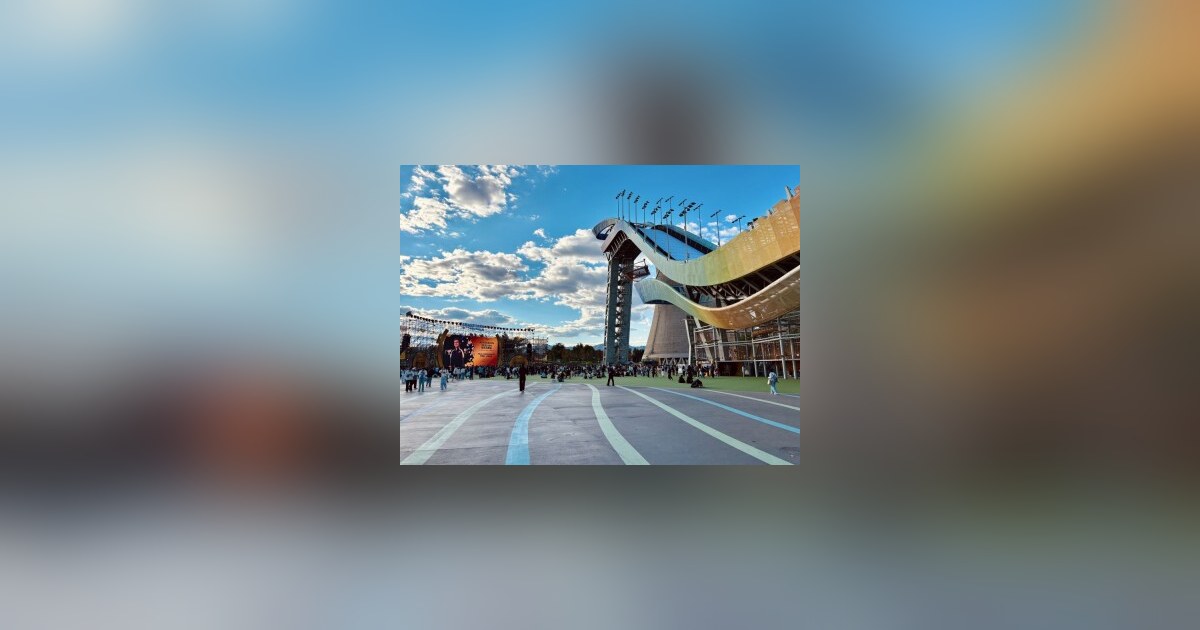
Simultaneously, Shougang Park in Shijingshan hosted the World Table Tennis (WTT) China Grand Smash for the third consecutive year, echoing the China Open and reinforcing the concept of a 'Golden Week of Sports Events.' The industrial-style park transformed into a hub where fans like Gao Yize from Xinjiang could spend an entire day dining, shopping at markets, and soaking in the festive blend of table tennis and National Day celebrations. The WTT official licensed store promoted a tournament-themed T-shirt that doubles as a 'walking ticket stub,' granting wearers exclusive discounts at hundreds of partner merchants across Shougang Park, Yongdingheji, Moshikou Historical and Cultural Street, and other locations. This innovative 'ticket stub economy' extends the value of a single event ticket into a city-wide benefits pass, driving spending in dining, accommodation, and sightseeing.
The strategy has ignited the entire city. Led by these international events, competitive, mass, and youth sports events covered all corners of the 'Dual Olympic City,' integrating into streets and alleys. The Beijing Yizhuang GT World Challenge attracted over 26,000 spectators, with its automobile-themed carnival boosting surrounding dining, retail, and accommodation spending. In Miyun, the China Men's 3x3 Basketball League Championship linked cultural tourism resources and commercial districts, opening the 'Chao San' Market with over 30 merchants offering local specialties. As reported by Media OutReach Newswire, these initiatives demonstrate how holiday cultural tourism scenarios have become standard features of sports events, expanding consumption scenarios and enhancing the event experience.
The implications are significant. By embedding sports events within broader cultural and tourism frameworks, Beijing is not only maximizing the immediate economic impact of tournaments but also building a sustainable model for urban revitalization. The 'Dual Olympic City' brand serves as a catalyst, attracting visitors and fostering local business engagement. This approach could serve as a blueprint for other cities seeking to leverage sports infrastructure and mega-event legacies for long-term economic gains. As the sports event economy continues to evolve, Beijing's integrated strategy highlights the potential of aligning athletic competition with leisure, culture, and commerce to create a vibrant, consumption-driven ecosystem.