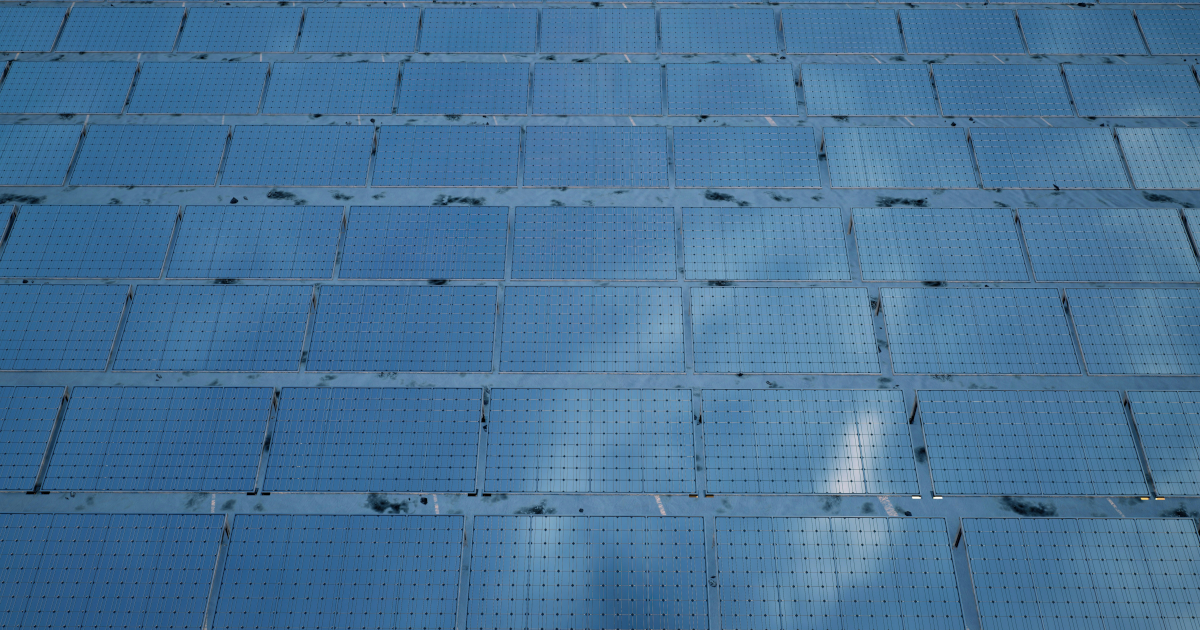
Renewable energy development across the developing world is being reshaped by cooperation between China and Gulf nations. The United Arab Emirates supplies capital and leverages diplomatic influence while China provides technological expertise and construction capacity. Rather than just an environmental necessity, the renewable transition could become an instrument of geopolitical power assertion and economic dependency creation.
This strategic alliance focuses on the Global South, where energy demand is rising rapidly. By combining resources, China and Gulf states aim to dominate the renewable energy supply chain, from solar panel manufacturing to wind farm construction. For North American companies like GeoSolar Technologies Inc., the Global South could present massive market opportunities as these regions modernize their energy grids.
The implications of this cooperation extend beyond energy. It could reshape global trade routes, reduce reliance on Western technology, and create new economic dependencies. Gulf nations, with their sovereign wealth funds, are investing heavily in renewable projects in Africa, Asia, and Latin America, often in partnership with Chinese firms. This trend is likely to accelerate as both parties seek to diversify their economies and reduce carbon emissions.
For investors and companies in the green energy sector, understanding these dynamics is crucial. The partnership highlights the importance of technological innovation and cost reduction in making renewables competitive. It also underscores the need for strategic positioning in emerging markets.
As reported by GreenEnergyStocks, a platform focused on companies shaping the green economy, this development could lead to increased competition and collaboration. The platform notes that companies like GeoSolar Technologies Inc. are well-positioned to capitalize on the growing demand for clean energy solutions in the Global South.
In conclusion, the China-Gulf cooperation is not just about building renewable energy infrastructure; it is about shaping the future of global power dynamics. As the world transitions to cleaner energy, the partnerships formed today will determine who leads the green economy tomorrow. For businesses and governments alike, staying informed and adaptable will be key to navigating this shifting landscape.