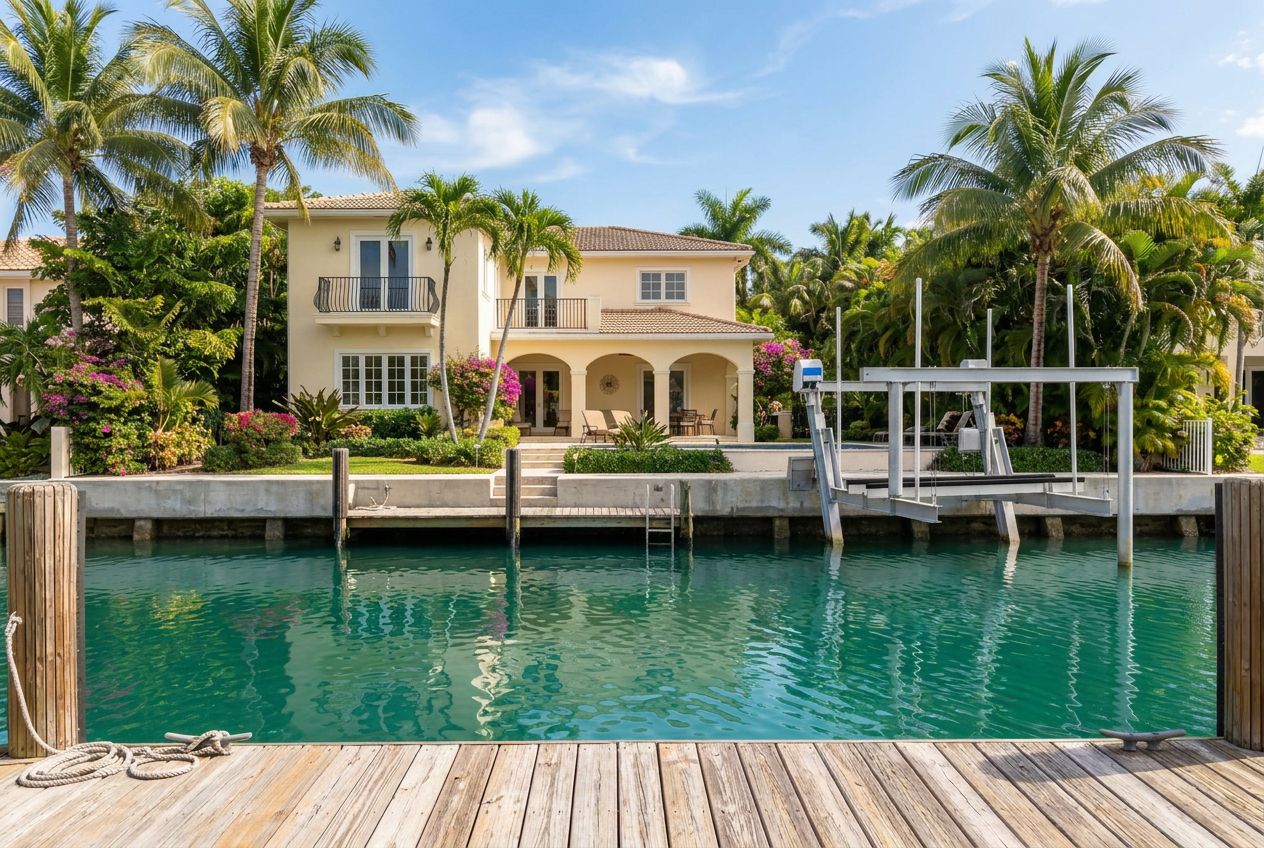
Most buyers start their Florida Keys home search online, but according to Sandy Tuttle, founder of Island Welcome Real Estate, knowing the differences between the four main submarkets—Marathon, the Lower Keys, the Upper Keys, and Key West—is critical to making the right purchase. Tuttle, who has 22 years of experience in the market, says the first question she asks buyers is not about budget or bedrooms, but which part of the Keys they are looking for.
Marathon stands out for investment-minded buyers. It is the only community in Monroe County that issues weekly vacation rental licenses to any home with no cap on licenses. "If someone is investment-minded and wants a better income return, we are absolutely going to suggest we explore Marathon," Tuttle said. The trade-off is a busier atmosphere with higher visitor turnover, which appeals to some but not others.
The Lower Keys, stretching from Big Pine Key to Key West's edge, offer an older, quieter Keys character. Monroe County requires a 30-day minimum rental term in unincorporated areas, reducing short-term turnover. "In the Lower Keys, you almost do not know which houses are rentals," Tuttle said. Accessibility has improved with direct flights to Key West International Airport from cities like Dallas, Charlotte, and New York, making the Lower Keys a convenient retreat.
The Upper Keys, anchored by Key Largo, are an extension of the Miami market with high day-tripper volume. Proximity to Miami International and Fort Lauderdale-Hollywood airports attracts buyers seeking quick getaways, but density and traffic are drawbacks. Key West offers a mix of walkability, culture, and nightlife, but weekly rental licenses are limited and attached to properties, commanding premium prices.
Tuttle guides buyers by asking about daily life preferences, boating, rental income goals, and long-term plans. "It is not one size fits all," she said. Exploring the different communities across the Florida Keys is a useful first step before consulting a local expert.