As e-commerce continues to expand, small businesses and entrepreneurs across the United States are increasingly relying on off-site storage to manage inventory, equipment, and important documents outside traditional office or retail spaces. US Storage Units, a nationwide storage directory that helps renters compare facilities, has released insights into how businesses are leveraging self storage to stay organized, reduce overhead, and support daily operations.
Several factors are driving this trend in 2026. The growth of e-commerce and small business inventory often outpaces available office or home space, while the continued rise of remote and hybrid work reduces the need for large commercial offices. Seasonal fluctuations in inventory and equipment for retailers and service businesses, increased needs for secure off-site storage of business records and client files, and demand for flexible month-to-month storage that scales with business needs are also contributing. These factors are shaping how business owners compare facilities and select storage options across both urban and suburban markets.
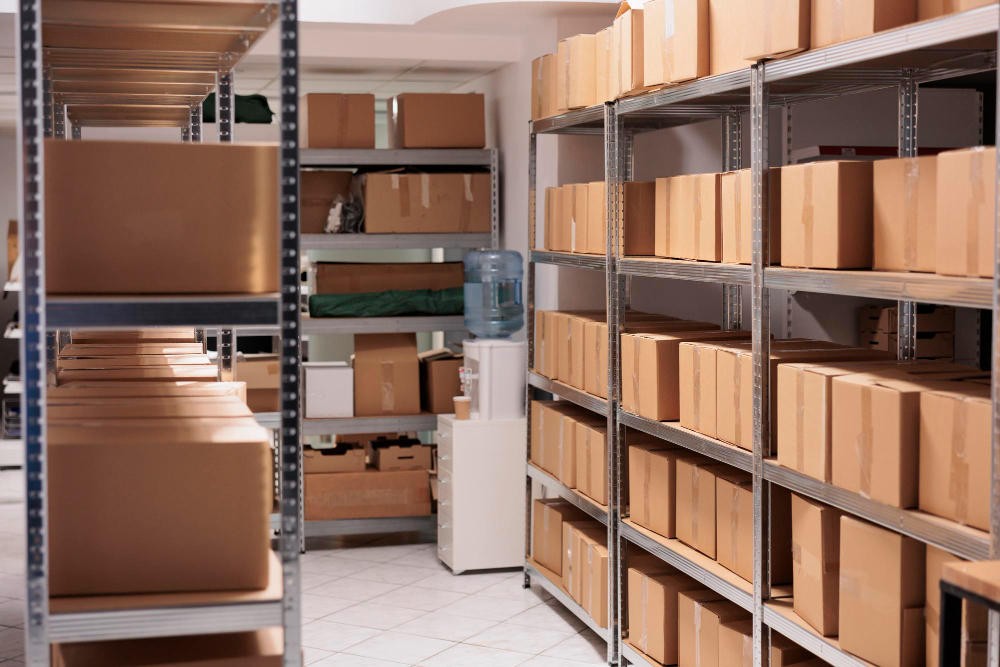
Self storage supports a wide range of business needs, from product fulfillment to recordkeeping. Common business use cases include inventory storage for e-commerce sellers and product-based businesses, equipment storage for contractors and service providers, document storage for archived records and compliance documentation, overflow storage for transitioning or downsizing, and secure storage for point-of-sale equipment and displays. By comparing facilities in one place, business owners can identify options that match the type and volume of items they need to store.
Selecting the appropriate unit size is a key step in preparing for off-site business storage. US Storage Units provides guidance on common sizes: a 5x5 storage unit is typically suited for business records, files, and small equipment; a 5x10 storage unit can accommodate inventory pallets, seasonal stock, or a modest collection of tools; a 5x15 storage unit offers additional room for shelving and boxes; and larger operations often require 10x10 storage units, which can hold substantial inventory or multiple pieces of equipment. For even larger operations, businesses may consider 10x15, 10x20, 10x25, or 10x30 units for bulk inventory and long-term archives.
Amenities also play a significant role in business storage decisions. Climate controlled storage units help protect items sensitive to temperature and humidity, such as documents and electronics, while 24 hour storage units provide flexible access for demanding schedules. For businesses storing work vehicles, car storage units offer dedicated space for larger items.
With thousands of facilities listed nationwide, US Storage Units helps business owners identify storage solutions that align with their requirements. Customers can explore options, compare amenities, and reserve space through the directory, supporting more informed decisions for a range of business storage needs.