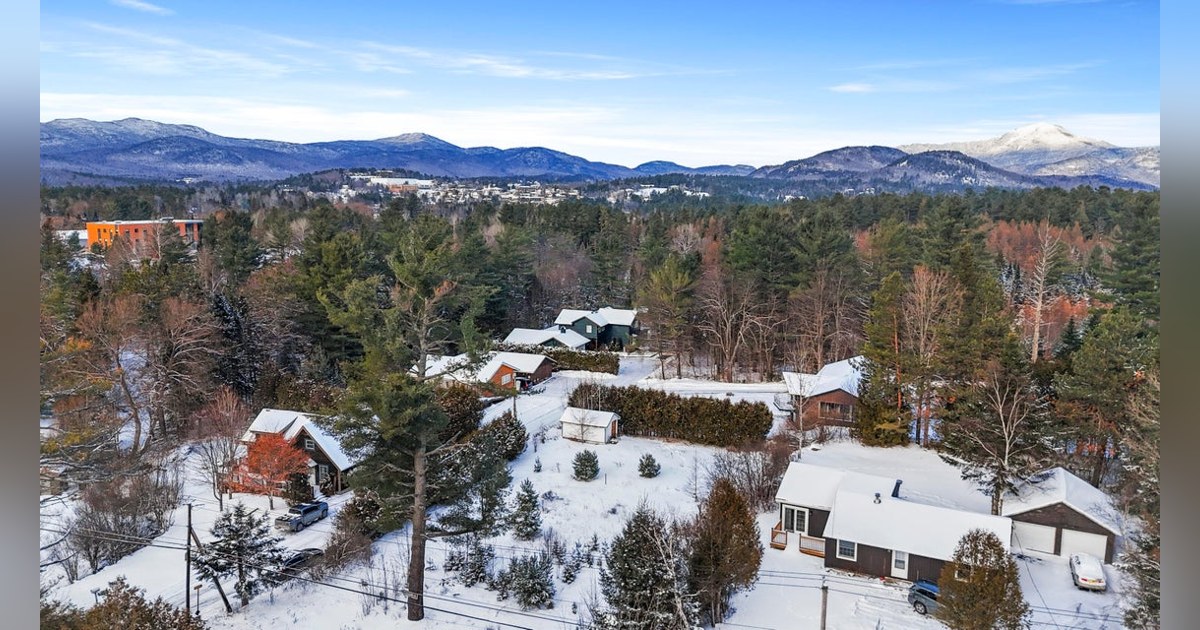
For the wave of buyers who purchased Adirondack second homes this year, the coming months bring a first: closing up a mountain house for winter. In this region, the most expensive cold-weather damage tends to trace back to one choice made in the fall—whether to keep the house heated or have it winterized. That decision carries implications not just for plumbing, but for insurance risk, resale value, and the long-term cost of ownership in a market where many properties sit empty for weeks at a time.
Winterizing means draining the water from the plumbing and adding antifreeze to the system. Done properly, it is usually the less expensive option, but a careless job can cost far more than it saves. “If you get the water out, you’re good. If you don’t get the water out, you’re in trouble,” said Chase Jermano, the broker of Tina Leonard Real Estate. Even a small amount of water left in a toilet can freeze and crack it, which is why he recommends hiring a professional or having one demonstrate the process. Owners who keep the heat on should set the thermostat no lower than 55 degrees Fahrenheit and consider a monitor that tracks indoor temperature and moisture, along with a remote water shutoff valve that can be closed from a phone.
The calculation changes for older houses. Many homes in the region date to the early 1900s, and those without a recent plumbing update may not tolerate winterizing well. When water is reintroduced in spring, connections in older pipes can come apart, depending on how the plumbing was originally installed. For those homes, keeping the heat on through the winter may cost less in the end. Deep cold can damage finishes, too; Jermano recently listed a former church where kitchen tiles had cracked after the building was left too cold.
Fuel and equipment add another layer of risk. Automatic fuel delivery is the safest arrangement, though it still needs watching. A stretch of several weeks at 20 below zero or colder can burn through fuel faster than the delivery schedule anticipates, turning a routine refill into an emergency call. The boiler or furnace should be serviced before the season begins, since a heating system that fails while no one is home can lead to frozen pipes within a short time.
Snow removal means more than plowing the driveway. Roofs and decks need clearing as well, ideally before ice dams form. Timing matters because once a midwinter thaw arrives, contractors who clear roofs are booked up, and an ice dam can force meltwater into the house. A caretaker or trusted neighbor who checks the house regularly remains one of the most reliable safeguards, since routine visits can catch a small problem before it becomes a large one.
The costliest first-winter mistake Jermano sees is burst pipes. He has seen $50,000 or more in damage happen within minutes in a house where the heat simply was not set high enough. In another home, pipes ran too close to an exterior wall without enough insulation; they froze and burst, flooding a finished basement two winters in a row. For owners driving up on winter weekends, his first piece of advice concerns the car rather than the house: invest in good snow tires. “If you’re going to be here, you want to be able to make it everywhere safe,” he said.
For many new owners, the first winter is when they learn how much an Adirondack house depends on preparation done in the fall—and why that single heat-or-winterize decision can shape both the safety and the value of their investment.