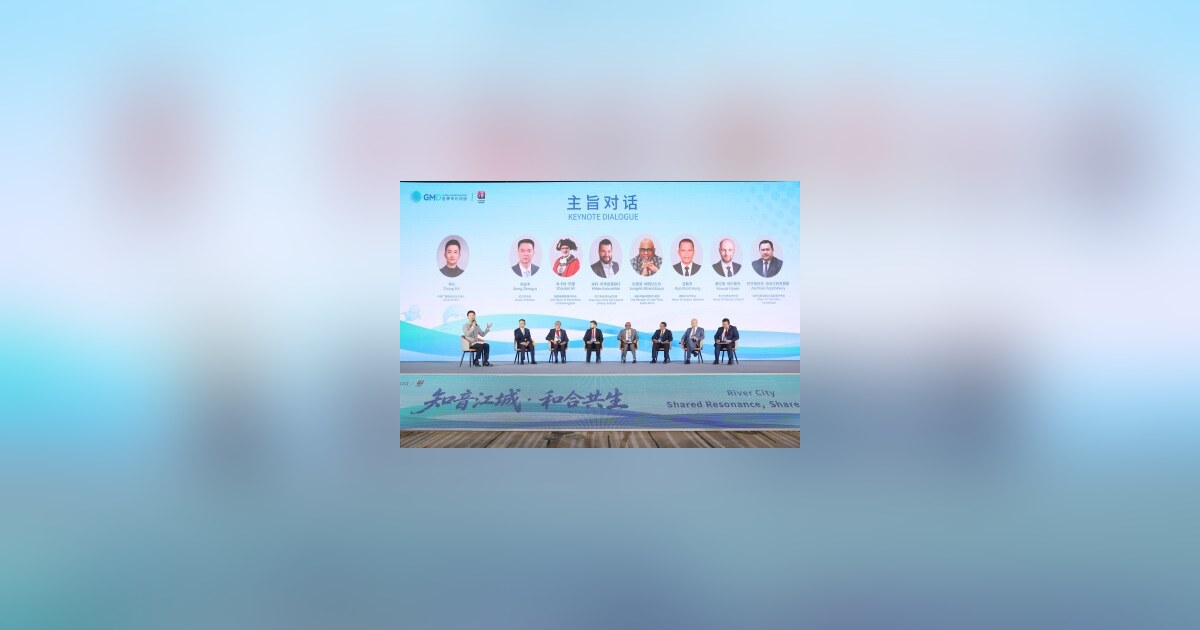
City-to-city cooperation took a significant step forward as the Global Mayors Dialogue · Wuhan and the 2026 Wuhan International Friendship Cities Cooperation Conference concluded, drawing 80 international guests from 24 cities across 22 countries. According to organizers, the event, held from Sept. 18 to 21, aimed to deepen ties in technology, industry, education, and culture. As reported by Media OutReach Newswire, the dialogue underscored the growing importance of municipal diplomacy in tackling shared urban challenges.
The significance of this gathering lies in its focus on actionable cooperation rather than symbolic gestures. Mayors and representatives from six of Wuhan's international sister cities—Manchester, Kemi, Cape Town, Yangon, Rzeszów, and Turkistan—engaged in discussions that could lead to tangible projects in urban innovation, industrial collaboration, and cultural exchange. With cities worldwide facing pressures from rapid urbanization, climate change, and economic transformation, such partnerships offer a platform to share best practices and pool resources.
Manchester's Lord Mayor Shaukat Ali highlighted the 40th anniversary of his city's sister-city relationship with Wuhan, emphasizing opportunities in education, culture, youth affairs, innovation, and industry. "Manchester is committed to promoting urban transformation through open cooperation, sharing opportunities, and fostering common development with international sister cities like Wuhan," he said. Manchester's evolution from a post-industrial city to an innovation-oriented economy, with strengths in advanced manufacturing, artificial intelligence, life sciences, and green technologies, offers a model that Wuhan can both learn from and contribute to. Existing educational and cultural links, such as cooperation between Hubei University and Manchester Metropolitan University and exchanges between the Royal Northern College of Music and Wuhan Conservatory of Music, provide a foundation for deeper collaboration.
Kemi's City Council Chairman Mikko Koivulehto stressed the need to balance economic growth with environmental protection. "We believe that protecting nature and building a prosperous city can go hand in hand," he said. Kemi's focus on renewable raw materials, clean energy, and the bioeconomy aligns with global sustainability goals. The 10th anniversary of Wuhan-Kemi friendly exchanges, with cooperation in trade, circular economy, tourism, and youth exchanges, demonstrates how smaller cities can leverage their unique strengths in international partnerships.
Cape Town's City Manager Lungelo Mbandazayo identified technological innovation, talent development, infrastructure, and green renewal as key to urban transformation. He noted that youth unemployment remains a major challenge and that technological development must create jobs. Cape Town's ambition to expand its technology and digital sectors while promoting green technology and an inclusive economy resonates with many cities in the Global South. The exchange with Wuhan, particularly after visiting local companies and technology facilities, could help Cape Town adapt smart-city solutions to its context.
Yangon Mayor Myo Myint Aung sought Wuhan's experience in smart-city development, digital governance, intelligent transport, and urban resilience. The signing of a letter of intent on friendly exchanges and cooperation during the event formalizes this intent. Yangon's long-term plan to accommodate population growth and expand urban, industrial, and transport infrastructure could benefit from Wuhan's expertise, especially in smart manufacturing and information technology.
Rzeszów Mayor Konrad Fijołek expressed interest in cooperating with Wuhan in aerospace, sensor technology, biodiversity, and climate action. Rzeszów's "Aviation Valley," a major aerospace cluster in Central Europe, complements Wuhan's advanced manufacturing capabilities. After visiting HGTECH and a Xiaomi smart home appliance factory, Fijołek said Wuhan's automated manufacturing and technologies in sensors and satellite systems had impressed him. Such exchanges could spur innovation and economic diversification in both cities.
Turkistan Mayor Azimbek Pazylbekuly outlined five areas for cooperation: tourism and culture, education and science, investment and entrepreneurship, digitalization and innovation, and transport and logistics. The signing of a memorandum of intent on friendly exchanges and cooperation between Wuhan and Turkistan, an ancient Silk Road city and UNESCO World Heritage site, highlights the potential to turn historical ties into modern economic partnerships.
The conference also included friendship-city anniversary celebrations and a signing ceremony for 10 cooperation projects, along with the release of a digital list of cooperation opportunities and an initiative on international friendship-city cooperation. These outcomes suggest a shift from dialogue to implementation, with cities positioning themselves as laboratories for solutions to global challenges. As national governments often struggle with gridlock, city-led diplomacy offers a pragmatic path forward, fostering innovation and mutual growth. The Wuhan dialogue thus matters not only for its immediate agreements but for demonstrating how urban centers can drive international cooperation in an era of complex interdependencies.