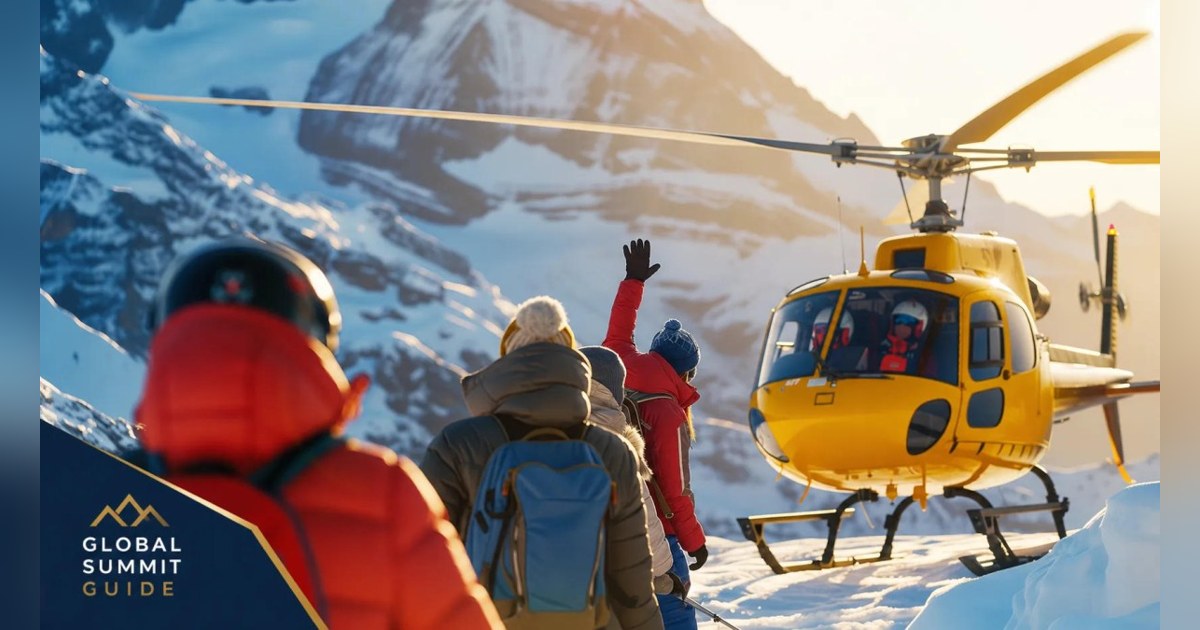
Global Summit Guide, an independent mountain adventure and travel research platform founded in 2026, has announced a significant expansion of its editorial scope. Originally focused on mountaineering, climbing routes, and expedition planning, the platform now covers seven distinct ways to experience mountain destinations. This move brings hiking, trekking, ski resorts, mountain biking, rail journeys, and mountain stays together under one platform, marking a shift from a niche technical resource to a comprehensive mountain travel hub.
The expansion organizes content into seven defined travel styles: mountaineering and mountain climbing for technical routes and summit attempts; hiking and trekking for trails ranging from day walks to multi-week expeditions; pilgrimage trails with cultural or spiritual significance; ski resorts and winter sports for snow travelers; scenic mountain drives and rail journeys for those experiencing high-altitude landscapes by road or train; mountain biking and cycling tours covering trail networks and road routes; and mountain stays, including alpine lodges and retreats. This categorization reflects the diverse ways people engage with mountain environments and addresses documented interest in pilgrimage trails among international visitors.
The implications of this announcement are substantial for the mountain travel media landscape. Historically, technical mountaineering content has been separated from broader adventure travel and mountain tourism coverage. By consolidating all seven travel styles into one platform, Global Summit Guide positions itself as a single reference for travelers at any point along the spectrum—from those booking their first mountain vacation to experienced climbers managing multi-month expeditions. This integration could simplify trip planning for a wide audience and potentially influence how other travel media outlets structure their content.
Moreover, the platform emphasizes mountain safety and sustainable tourism across all categories. As global mountain exploration draws more visitors to sensitive high-altitude environments, practical safety information and responsible travel guidance are treated as standard components rather than supplementary additions. This approach aligns with growing concerns about the environmental and social impacts of mountain tourism and may encourage more responsible travel practices among readers.
The expansion also reflects a deliberate broadening of the platform's intended audience. Where the original editorial model centered on expedition planning and technical route information, the expanded platform addresses a full spectrum of engagement levels. This inclusivity could attract a larger readership and foster a more diverse community of mountain enthusiasts. Additionally, the platform's independent editorial stance means its destination research is not tied to commercial partnerships with specific operators or accommodation providers, which may enhance its credibility and trustworthiness among users.
Coverage includes travel guides for specific mountain destinations and practical content on gear considerations, route conditions, and seasonal planning for activities ranging from ski resorts to trekking corridors. As the platform continues to grow, it may become a go-to resource for mountain travel research, influencing how people plan and experience mountain adventures worldwide. The expansion underscores the growing demand for comprehensive, reliable information in the adventure travel sector and sets a new standard for integrated mountain travel media.