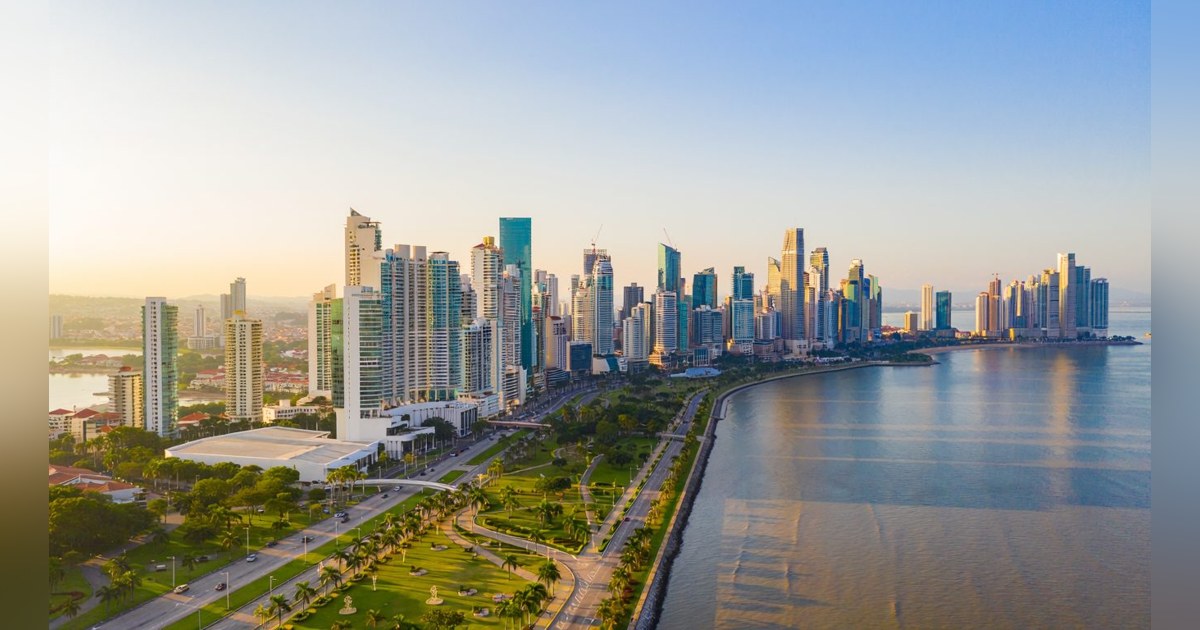
Panama is not the Caribbean island many North Americans imagine before they visit. That perception gap is exactly what CHORD Real Estate, a Nashville-based firm, has been exploiting with its Invest Panama Summit, now heading into its third year. The summit takes American and Canadian investors on guided tours of Panama’s primary real estate zones. The results have been consistent: participants arrive curious and leave with a radically different view of the country. “They all had a very similar reaction to what we did the first time we got to Panama,” said Steve Luther, founder of CHORD Real Estate. “Everybody was just shocked. What is this place? How have we not heard about this?”
The shock is not about aesthetics but about scale and substance. Panama City boasts a modern skyline, more than 80 international banks, and over 180 multinational regional headquarters operating under favorable tax conditions. Companies like Dell and Caterpillar have established significant operations there. The economy is anchored by the Panama Canal, through which roughly five to six percent of global trade passes annually. None of this matches the typical mental image of Panama, and that gap between perception and reality is what draws investors who track markets before they become widely discussed.
Each zone the summit groups visit reveals distinct indicators. Playa Caracol and Amador draw interest for their tourism potential, coastal scarcity, and surrounding infrastructure investment, including metro extensions crossing the canal, highway widening, and a new bridge connecting Panama City to the western province. Santa Maria appeals to buyers seeking long-term stability, anchored by an 18-hole Jack Nicklaus Signature golf course and a master-planned community of a scale that has no real domestic equivalent. Costa del Este attracts attention from those watching nearshoring trends, as more multinational companies position regional operations closer to North American time zones. “I don’t know of an area in Panama I don’t like right now,” Luther said. “That’s the problem.”
The investors who attended the second summit in May 2026 reflected that variety. The group included people focused purely on returns, a digital nomad looking to home base in Panama, buyers considering seasonal use, and others evaluating the country’s residency pathways. The available projects were diverse enough that each found something worth examining seriously. Beyond specific projects, the summit format offers relationship infrastructure. Meeting developers in person, walking construction sites, and sitting across from attorneys and local agents produce a confidence level that online research cannot replicate. As Luther puts it: “I don’t suggest wiring a bunch of money from a Zoom call. Shake hands, meet the people, get a comfort level, build that trust.”
CHORD Real Estate has announced the third annual Invest Panama Summit, scheduled for January 21 through January 24, 2027, in Panama City. The format follows the established structure: a welcome reception on the first evening, guided property tours across Panama City’s development zones over the following days, and an excursion to the Pacific coast, including Playa Caracol, before the group returns. Spots are limited. More information is available at chordrealestate.com/investpanamasummit. For those interested in CHORD’s broader work, visit CHORD Real Estate.
The implications are significant for North American investors. As Panama continues to develop and attract multinational attention, the window for early entry may be narrowing. The country’s lack of broad international marketing has kept its profile low, but that is changing. Summits like these provide a firsthand look at a market that is far more sophisticated than most assume. For investors willing to show up and see for themselves, Panama keeps surprising.