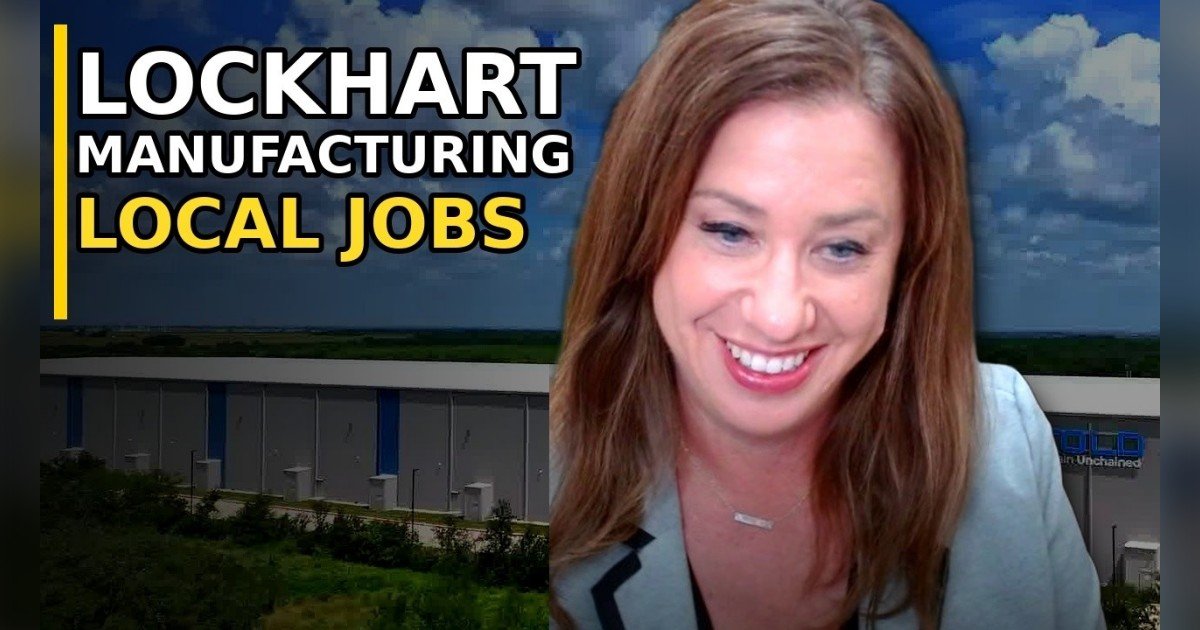
Lockhart, Texas, is emerging as a case study in how small communities can build industrial momentum without chasing flashy relocations. In a recent episode of Is This Texas Town Quietly Winning the Manufacturing Race?, host Justin McKenzie spoke with Holly Malish, Director of Economic Development for the Lockhart Economic Development Corporation, about the food manufacturers and local expansions reshaping the town's economy.
The implications extend beyond Lockhart. Malish, who took the role in 2024, emphasizes that most of her recent wins come from existing local businesses rather than new arrivals. Ziegenfelder and RealCold, both announced before her tenure, are now in what she calls "the fleshing out of that project, the growing of the jobs." Meanwhile, Hill Country Foodworks expanded into a newly built building and then secured a second incentive to purchase an onion slicing machine. Such repeat investments signal confidence in the local business climate and create a ripple effect: successful expansions become a selling point for attracting new companies, as Malish notes that local businesses are also her customers.
Lockhart's strategy also leverages regional cooperation. Malish describes a shift away from siloed thinking, where a project landing nearby still benefits Lockhart's workforce, schools, and career and technical education programs. "A win for the region is really a win for me and the city," she says. Communities refer prospects based on strengths and collaborate on job fairs. Because Lockhart lacks empty buildings but has land, it can partner with neighboring towns like Buda to accommodate growing companies. This collaborative approach could serve as a model for other rural areas competing for limited industrial investment.
Workforce development further strengthens the town's position. A Tesla manufacturing development program run through the Boys & Girls Club pairs social skills training with removing barriers such as transportation and clothing, then moves participants through paid training at Austin Community College and into Tesla's interview process. Such programs help ensure that local residents can access the jobs being created, addressing a common challenge in manufacturing hubs.
Beyond manufacturing, Lockhart's Film Friendly Texas certification and its designation as a Music Friendly Texas community add cultural and economic diversity. Malish notes that filming now runs through the city's tourism department, and local restaurants are picking up catering work from productions. These creative sector wins complement industrial growth, making Lockhart more resilient.
For other small towns, Lockhart's story illustrates that economic development need not rely solely on big-name relocations. By nurturing existing businesses, fostering regional partnerships, and aligning workforce training with industry needs, communities can build a sustainable industrial base. As Malish's experience shows, a background in sales and marketing can translate seamlessly into economic development, where the product is the town itself.