Nanjing Iron & Steel Co., Ltd. (NISCO) has commercially deployed the world's first steel model powered by swarm intelligence, the YuanYe Steel Large Model, across multiple scenarios at scale, in collaboration with Huawei and ecosystem partners. The announcement, made via Media OutReach Newswire, signals a significant step in the digital transformation of traditional manufacturing, particularly in the energy-intensive steel sector where cost efficiency and sustainability are pressing concerns.
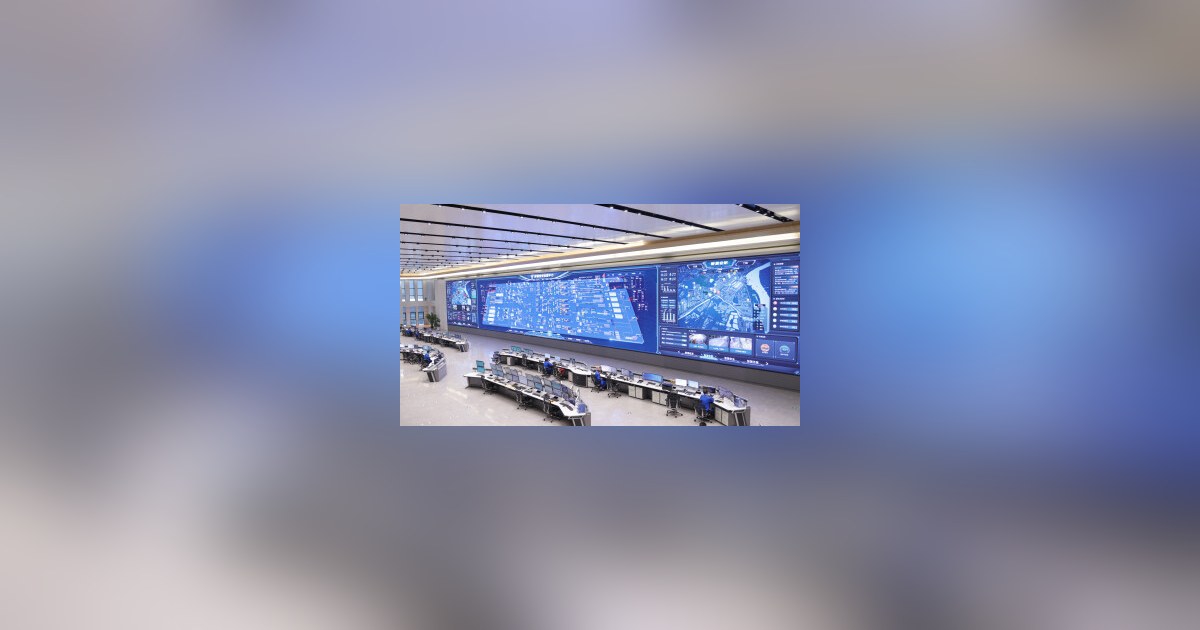
The YuanYe model differs from general-purpose monolithic AI by fusing multiple AI models with metallurgical mechanism models to create a dual-drive, multi-model cluster architecture. This architecture features a "right brain" for probabilistic computing and a "left brain" for precise, scientific decision-making. Powered by massive sensing data from millions of operational technology data points across 26 business domains, NISCO has achieved real-time digital twin mapping within its intelligent operations center. As a result, 100% of NISCO's key equipment is connected and digitally controlled, new product research and development cycles have been shortened by 50%, and annual costs have been reduced by over CNY100 million (approximately US$15 million).
The implications of this deployment extend beyond cost savings. In ironmaking, AI makes blast furnaces transparent, enabling operators to predict temperatures and identify issues two hours in advance with over 90% accuracy. This shifts furnace operations from reactive remediation to proactive pre-control, increasing prime-grade molten iron yield by over 10% while cutting unit energy consumption. In rolling, the model's rolling-force prediction achieves millisecond-level response, narrowing thickness tolerance to ±0.2 mm and reducing steel thickness deviation to 1.9%, a world-leading standard. The rolling-force hit rate has jumped from 88% to 98%, supporting steady annual output of over 2.5 million tons of steel plates and increasing overall yield rate by 0.5%.
Quality inspection has also been transformed. An integrated smart metallographic inspection system built on YuanYe has achieved full-process automation, raising inspection accuracy to over 95% and shortening per-sample inspection time from 10 minutes to 3–5 minutes, an 80% increase in overall inspection efficiency. In energy and environmental control, the S-Link Intelligent Agent for Gas and Flue Gas Sulfur Control integrates 602 process parameters and multi-modal capabilities to issue sulfur-risk warnings one hour in advance with over 95% accuracy. It slashes natural gas co-firing consumption by nearly 50%, reduces downtime caused by emission exceedance by over 25%, and delivers more than CNY600,000 (approximately US$90,000) in annual economic benefits.
NISCO has deployed over 300 AI models across its plants, alongside more than 1,000 low-code agents and lightweight applications built independently by frontline employees. Li Jinyan, General Manager of the Digital and Intelligent Integrated Development Department and Director of the AI Research Institute at NISCO, emphasized that digital and intelligent transformation is human-centric, aiming to unleash human potential rather than replace people. Cheng Yongfu, Senior Industrial Solution Expert at Huawei's Steel & Non-ferrous BU, noted that the real value of industrial AI is realized when it expands from single-point applications to comprehensive integration with production, operations, and management.
Looking ahead, NISCO plans to explore dedicated data centers for smart steel plants with Huawei and other partners, centered on an AI-native three-tier architecture. This deployment serves as a replicable benchmark for the global steel and manufacturing industries, demonstrating how swarm intelligence can drive significant safety, efficiency, and quality gains while advancing green and high-end steel production.