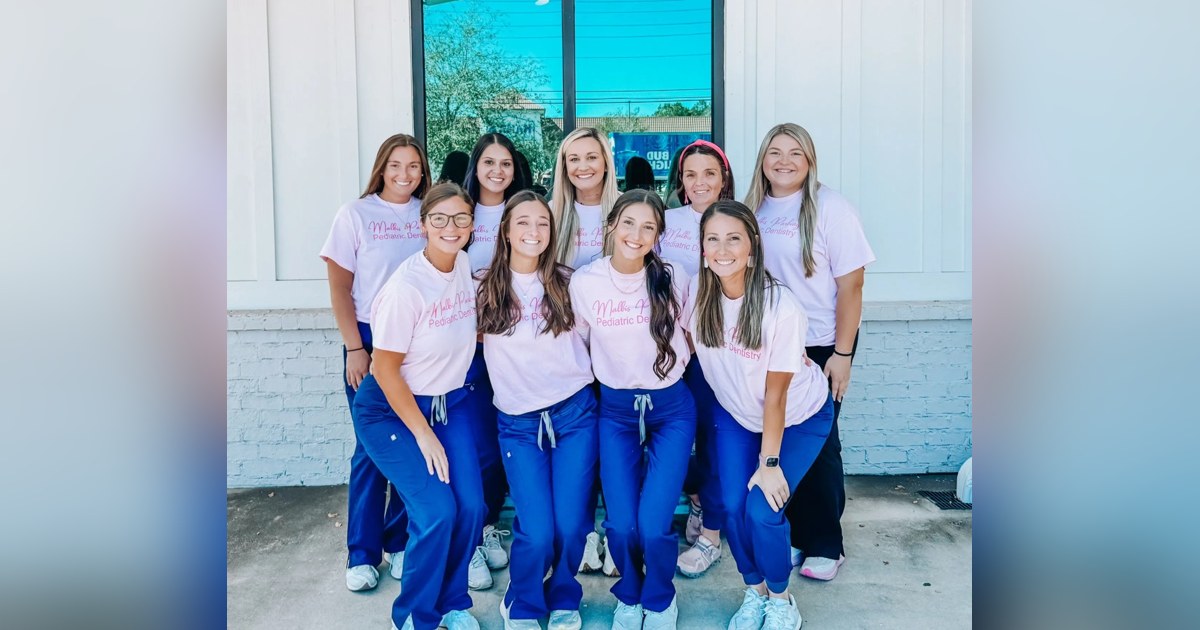
As Halloween candy bowls give way to holiday stockings, pediatric dentists in Spanish Fort are warning Baldwin County families that the stretch from late October through December is a high-risk season for children's teeth. Malbis Parkway Pediatric Dentistry, staffed by Dr. Kelly M. Jones, Dr. Elizabeth Clay, and Dr. Kristin Correa, has released guidance aimed at reducing cavity risk during a period when candy consumption rises and dental appointments are often postponed until the new year.
The practice identifies sticky and sour candies as the two categories most likely to cause dental damage. Sticky candies cling to tooth enamel longer than other sweets, giving cavity-causing bacteria more time to work, while sour candies carry high acid content that weakens enamel on contact. Rather than urging parents to eliminate sweets entirely, the guidance recommends serving candy alongside meals instead of as stand-alone snacks. Eating sweets with food increases saliva production, which helps rinse the mouth and neutralize acids. Drinking water throughout the day, particularly fluoridated tap water, adds another layer of protection by flushing sugar and acid residue from the teeth between brushings.
Consistent home care remains essential. Brushing twice daily with fluoride toothpaste is one of the most direct steps parents can take to reduce cavity risk during high-sugar seasons, as fluoride strengthens enamel and makes teeth more resistant to acid produced by bacteria feeding on sugar. For families working with a pediatric dentist in Spanish Fort AL, two clinical tools stand out in the seasonal guidance: dental sealants and six-month checkups.
Sealants are thin protective coatings applied to the chewing surfaces of back teeth, where grooves and pits are deepest and most difficult to clean with a toothbrush. They physically block food and bacteria from settling into those spaces, reducing the likelihood that decay will start in the areas most prone to it. Six-month checkups serve a connected purpose: when a dentist examines a child's teeth twice a year, early-stage cavities can be identified before they progress. A cavity caught when it is still small requires a smaller, less invasive procedure, preserving more of the natural tooth structure and involving less time in the chair.
Timing matters as well. Many families allow scheduled appointments to drift during the fall and winter months due to school events, travel, and holiday schedules. Postponing a six-month checkup past the candy-heavy season means any new decay from Halloween or holiday treats has additional time to develop unchecked before it is identified. Scheduling an appointment before or shortly after the holiday season allows the dentists to assess whether decay has begun and whether sealants are appropriate for a child who does not yet have them.
The guidance underscores a broader public health point: prevention during the holiday season is simpler and less costly than treatment afterward. Parents who manage candy types and timing, encourage water consumption, and keep regular checkups can significantly reduce the chance that seasonal indulgences turn into fillings in the new year.