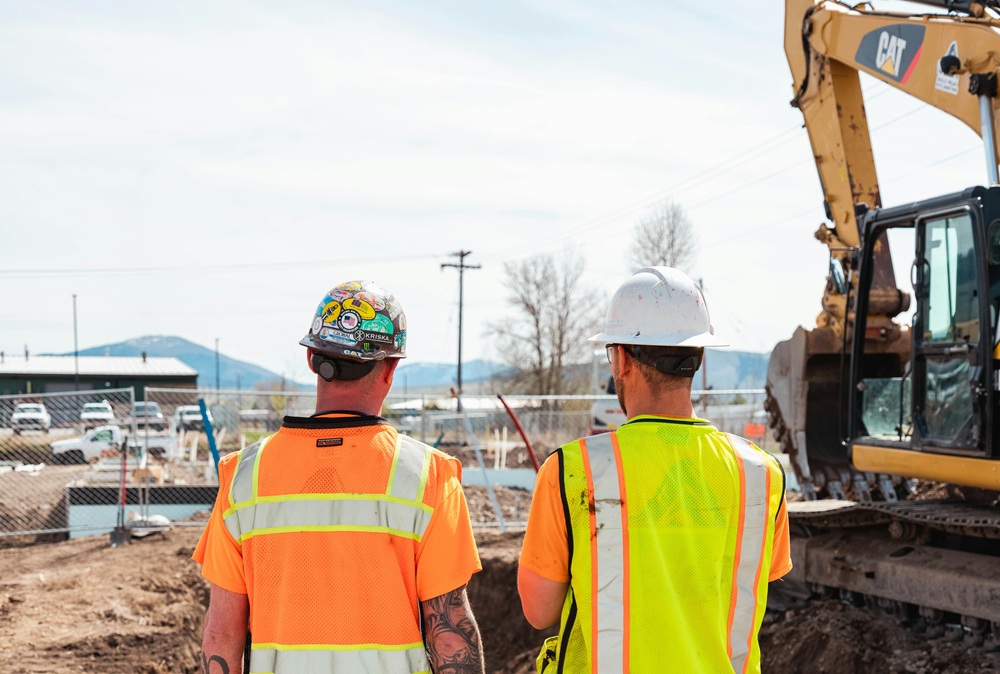
For decades, the American dream has been packaged as a linear path: finish high school, attend a four-year college, earn a degree, and secure a white-collar job. While this route remains valid and rewarding for many, the singular emphasis on it has created a dangerous blind spot. We have relegated the skilled trades to a second-class status, and now, as a nation, we are confronting the consequences. The construction industry, a cornerstone of our economy, is facing a severe workforce shortage, and the solution lies not in diminishing the value of college, but in elevating the dignity and opportunity inherent in the trades.
Kelvin Enfinger Jr., Vice President at Greenhut Construction and past chair of ABC North Florida, brings a unique perspective. He started as a carpenter and equipment operator, spending years in the field before rising to an executive and partner in an 80-year-old construction company. His story is not exceptional; it is a testament to a broader truth. Across the country, countless individuals have leveraged a tool belt into supervisory roles, project management, and business ownership. They earn excellent incomes, support families, and build enterprises without ever stepping foot in a traditional university lecture hall. Yet, these successes are rarely celebrated with the same fervor as a college acceptance letter.
The consequences of this skewed narrative are tangible. As experienced craftspeople retire, contractors struggle to find skilled workers to fill the gap. This shortage threatens our ability to build the housing, hospitals, schools, and infrastructure that a growing nation demands. We cannot construct the next generation of American facilities without first cultivating the next generation of American tradespeople. This requires a fundamental shift in how we talk about career success at home, in schools, and in the media. When a student proclaims an interest in becoming an electrician or a welder, that enthusiasm should be met with the same pride and encouragement as a future engineer's. Parents must recognize that a trade career is not a fallback but a forward-looking choice. Educators and counselors must present these pathways as equal, viable options. And employers must step up, investing in training and apprenticeship programs that show a clear career ladder, not just a job.
There is profound value in trade work that extends beyond a paycheck. A craft professional can drive past a local school and say, "I built that." They can point to a hospital and know they contributed to a place of healing. This tangible connection to community fosters a sense of purpose and pride that is deeply fulfilling. Moreover, the skilled trades serve as a powerful engine for entrepreneurship. A young person can learn a craft, gain experience, understand the business side, and eventually launch their own company. This is economic mobility in its purest form, and it is a pathway we are currently underutilizing.
However, changing perceptions alone is insufficient. We must construct a supportive ecosystem that nurtures trade careers from start to finish. This includes strengthening career and technical education in schools, expanding high-quality apprenticeships, and fostering partnerships between educational institutions and industry. Additionally, we must teach more than technical skills; financial literacy and leadership development are crucial. Too often, excellent craftspeople are promoted to supervisory roles without the necessary training, leading to inefficiencies and frustration. Employers must invest in their people, showing a commitment to their growth and creating a culture of opportunity. This is not an argument against college; it is an argument for a broader definition of success. An aspiring engineer should have a clear path to university, just as an aspiring electrician should have a clear path to a rewarding, well-compensated career. Neither choice is inherently superior, and we must stop treating them as such.
As Enfinger reflects on his journey, he sees the untapped potential in today's students. They may not realize that a person operating heavy equipment today can oversee a multimillion-dollar project tomorrow. They may not know that an apprentice can become a business owner. They may not understand that a trade career offers financial security, leadership opportunities, and the deep satisfaction of creating something that endures. It is our collective responsibility to show them these possibilities. America does not merely need more workers; it needs builders, makers, and problem-solvers. It is time to widen our lens on success and celebrate every path that enables individuals to build meaningful careers, support families, and contribute to their communities. After all, America's future will not only be designed in boardrooms and classrooms; someone still has to construct it.