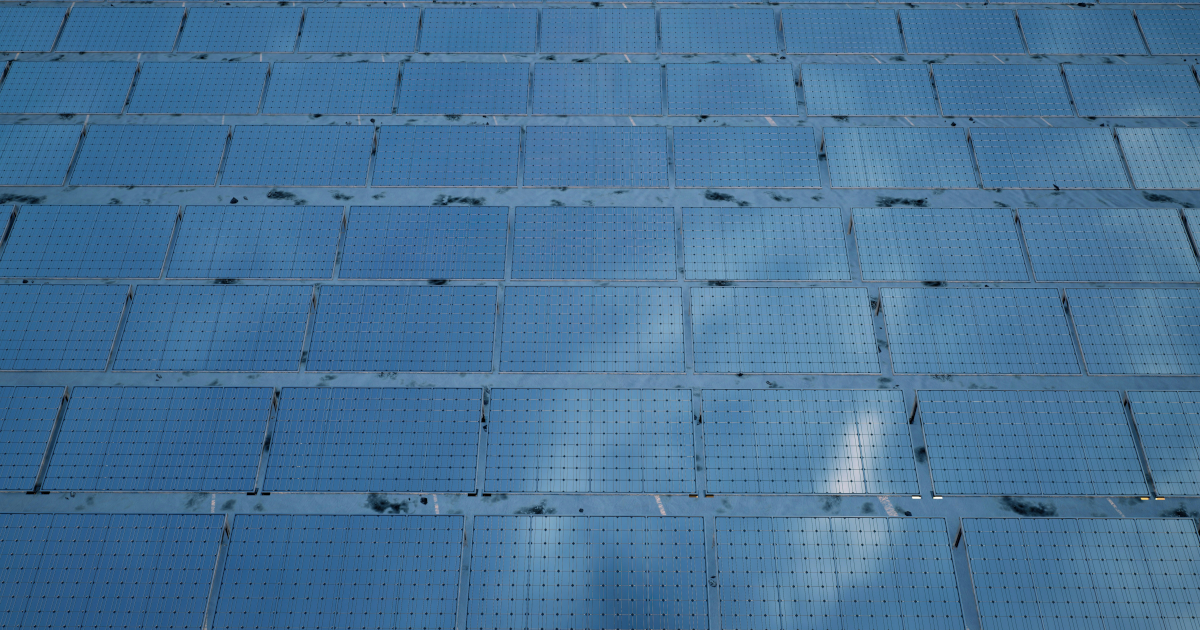
The rapid expansion of solar power across the United States is creating a land-use challenge with no simple answer. Solar requires far more land per unit of output than fossil fuel plants, making the question of where to site new capacity harder to avoid. That tension is showing up at scale as renewable buildout accelerates across the country. A coal plant can power a city from tens of acres; a solar farm generating equivalent output may need hundreds.
How those questions are answered will shape who gains from the transition and who carries the environmental and social costs. That is where firms like American Fusion Inc. (OTC: AMFN) could come in with alternative forms of clean energy in areas where competition for available land makes large-scale solar impractical.
The issue is becoming increasingly pressing as states and utilities push to meet renewable portfolio standards and carbon reduction goals. Solar installations have skyrocketed in recent years, but the footprint required for utility-scale projects often sparks opposition from local communities concerned about loss of farmland, natural habitats, and scenic views. In some regions, developers are turning to agrivoltaics—co-locating solar panels with crops or grazing—but such solutions are not universally applicable.
Meanwhile, emerging technologies such as advanced nuclear, geothermal, and fusion offer the promise of dense, land-efficient power generation. American Fusion Inc. is among the companies exploring compact fusion systems that could provide baseload electricity without the sprawling land demands of solar or wind. While fusion remains in development, its potential to complement renewables in land-constrained areas is drawing attention from investors and policymakers.
The land-use dilemma underscores the complexity of the energy transition. Simply scaling up current renewable technologies may not be sufficient if siting barriers persist. A diversified clean energy portfolio that includes high-density options could help accelerate decarbonization while minimizing land conflicts. As the debate over solar siting intensifies, alternative energy firms may find growing opportunities to offer solutions that balance generation needs with environmental and community concerns.