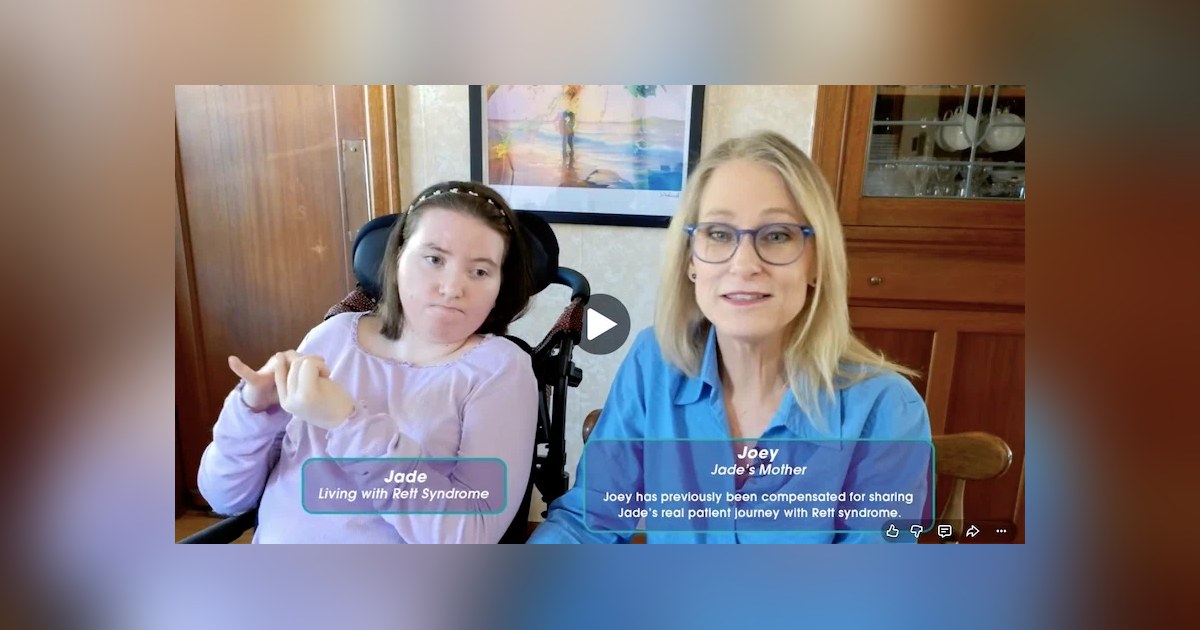
The story of Joey and her daughter Jade, shared through a sponsored initiative by (Acadia Pharmaceuticals ), offers a rare window into the realities of caring for a child with Rett syndrome. Rett syndrome is a rare genetic neurological disorder that primarily affects girls and leads to severe impairments, including loss of speech, purposeful hand use, and motor skills. Joey's account is not just a personal narrative; it is a call for greater awareness and understanding of a condition that often remains invisible to the broader public.
The implications of such stories are significant. They humanize a complex disorder, putting a face on statistics and clinical descriptions. For families navigating a new diagnosis, hearing from someone like Joey can be a source of solace and practical insight. It also underscores the critical role of caregivers, whose voices are often absent from medical literature but whose experiences shape the day-to-day management of the condition. By sharing her perspective, Joey contributes to a growing body of patient and caregiver narratives that can influence how clinicians approach treatment and support.
Dr. Steve Skinner, a clinical geneticist featured in the same resource, provides a medical counterpoint. His discussion of treatment and management highlights the importance of multidisciplinary care. Rett syndrome has no cure, but early intervention and symptom management can improve quality of life. The combination of caregiver experience and expert insight creates a more holistic view of the disorder, emphasizing that while the condition is challenging, there are strategies and support systems that can help. This dual perspective is vital for empowering families to advocate for appropriate care and for informing health care providers about the lived reality of Rett syndrome.
Moreover, the sponsorship by Acadia Pharmaceuticals points to a broader trend: pharmaceutical companies increasingly recognize the value of patient-centric storytelling. Such initiatives can foster trust and educate the public about rare diseases, which often receive less attention and funding than more common conditions. For Acadia, aligning with authentic caregiver stories may also help in building relationships with the Rett syndrome community, a crucial step as new treatments are developed and brought to market. However, it also raises questions about the balance between marketing and education, and the responsibility of sponsors to ensure that information remains accurate and unbiased.
Ultimately, Joey and Jade's story is a reminder that behind every rare disease diagnosis is a family adapting to a new normal. It highlights the resilience of caregivers and the need for continued research, accessible treatments, and robust support networks. As awareness grows, so does the potential for earlier diagnosis and intervention, which can significantly alter the trajectory of a child's life. For the Rett syndrome community, stories like this are not just inspirational; they are essential tools for advocacy and change.