Anthony Burr, an Australian concreter, founded Safety Pickets to replace brittle plastic caps on steel posts, expecting builders to be his main customers. Instead, civil and infrastructure crews have driven demand, citing reasons that extend well beyond residential construction sites.
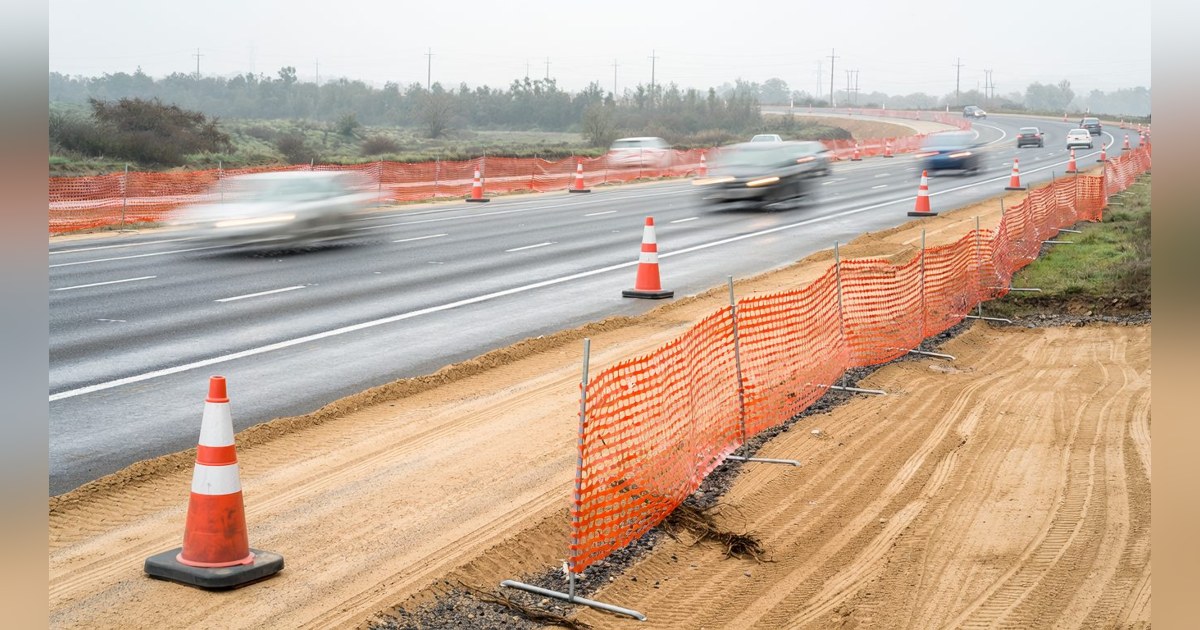
On road projects, steel posts—known as star pickets in Australia and T-posts in the US—are used in large numbers to mark grades and stand beside live traffic. According to Burr, an exposed post on a road job can be more dangerous and costly to manage than on a typical building site. Survey pickets often sit low to the ground, creating hazards for machinery and workers. Burr notes that crews have reported popped tires and damaged equipment from running over exposed posts that fall below an operator’s line of sight.
The risk extends to the public. On housing sites, the people walking around posts are usually the ones who installed them, but that awareness fades once pickets line a road for weeks or months. Burr points to children riding bikes near roadwork as particularly vulnerable. “If anything, it’s probably more dangerous for a pedestrian or traffic, because they don’t have that natural awareness,” he says.
Plastic caps on hundreds of roadside posts require constant attention—breaking, blowing off, and needing replacement. Burr describes it as a “forever task” that can consume most of a worker’s day. The Safety Pickets cap uses a lock-in design that stays on the post, eliminating that task. Using a conservative estimate of half an hour a day at about $30 an hour, the company calculated a cost of roughly $1,200 over three months for a single site—a figure Burr expects is higher in reality and multiplies across multiple projects.
Safety is the primary driver, but environmental considerations also influence civil work. A large civil company told Burr that project tenders must include an environmental component, and some government projects are off limits without one. The firm saw reusable steel caps as a competitive edge. Burr estimates that for a heavy user, one cap keeps around one kilogram of plastic out of landfill over its life; on a project with 100 posts running a year to 18 months, that adds up to roughly 100 kilograms of plastic avoided. This reusability is central to Safety Pickets’ sustainability commitments.
Burr has begun testing the US market. A staff member with about 30 years at a Florida roads department responded positively and provided a list of contractors to contact. Burr expects the case to be stronger in the US due to larger project scale. “The bigger the scale, the more money these things can cost you if they go wrong,” he says. For road and civil contractors, the decision involves crew hours, equipment repairs, public exposure, and bid requirements—factors that go beyond the price of a cap.