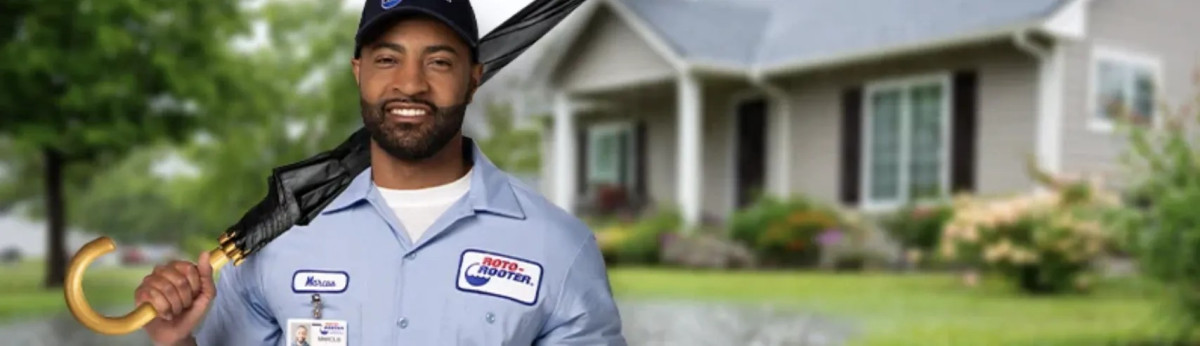
Roto-Rooter, the largest plumbing and drain service provider in the nation, has issued a spring plumbing warning for homeowners in the northern U.S. and much of Canada. The company warns that the combination of above-average winter snowpack and anticipated rainfall significantly increases the risk of burst pipes, basement flooding, and foundation damage in the coming weeks. To help residents manage these challenges, Roto-Rooter has published The Spring 2026 Guide to Preventing Plumbing Emergencies, detailing the six most common spring plumbing failures, their warning signs, and proactive measures.
According to Roto-Rooter's guide, water expands by roughly 9% when it freezes, creating internal pipe pressures that can reach up to 40,000 PSI, leading to unexpected bursts when temperatures stabilize. This year's risk is compounded by above-average snowpack, resulting in a greater volume of meltwater flowing through drainage systems and around foundations. The frozen ground, which remains solid several inches beneath the surface well into spring, inhibits soil absorption, causing meltwater to accumulate against foundations and into crawl spaces.
"This winter's freeze-thaw cycle is causing extensive plumbing and infrastructure damage," said Dave Jones, Master Plumber and VP at Roto-Rooter. "Many homeowners only consider their plumbing when an issue arises, and by that point, the damage has often already occurred. This spring, the conditions are ripe for failures that could have been identified and prevented through a simple inspection."
The guide outlines six key plumbing emergencies: burst or cracked pipes, sump pump failure, underground water line stress, basement seepage and flooding, water heater failure, and clogged gutters and downspouts. Repair costs for these issues range from $150 to over $10,000, with insurance claims averaging around $14,000. In severe situations, one inch of water can lead to damages of up to $25,000.
Roto-Rooter recommends homeowners conduct preventive checks before peak spring melt: clean gutters and downspouts, test outdoor faucets, check sump pumps, insulate exposed pipes, schedule a professional sewer lateral cleaning if multiple drains are slow, and inspect water heaters for signs of failure. Homeowners are encouraged to seek immediate assistance for active flooding, sewage backups, or gas smells near appliances.
"When it comes to preparing for spring plumbing issues, we know exactly what to look for and when," Jones emphasized. "Identifying a compromised pipe or a failing sump pump before it escalates into an emergency is always the preferable outcome, and that is precisely what a seasonal inspection aims to achieve."