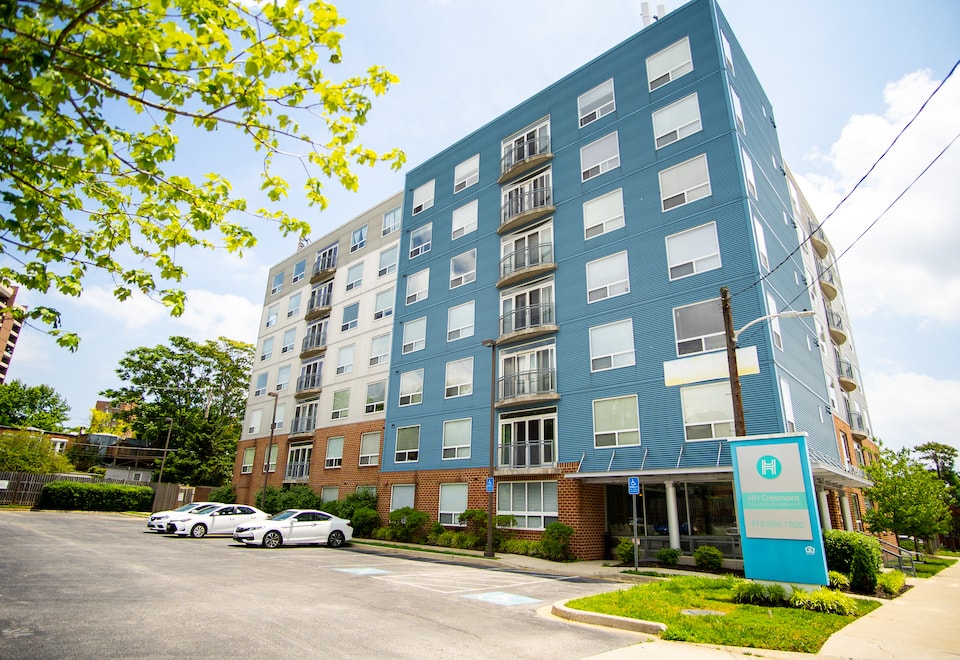
Student housing operators entering 2026 are prioritizing renewal foundations and wellness-focused amenities as pre-leasing momentum for fall 2026 shows consistency with previous years despite earlier holiday period timing. HH Red Stone, which manages student housing properties across university markets, reports that retention strategies have become central to lease-up success as operators navigate market conditions requiring more sophisticated approaches than pre-pandemic cycles.
“Being very renewal-heavy this year has been really positive,” explains Teddy Abdelmalek, Senior Vice President at HH Red Stone. “Returning residents are obviously looking for the best deals, and anything that you can push forward to capitalize on that renewal foundation is going to be key.” Early fall 2026 pre-leasing activity reached 47% in December, up from 40% the previous year, though Abdelmalek notes the current post-holiday period represents a natural lull in leasing velocity before activity accelerates in early 2026.
Wellness programming has emerged as a differentiation strategy beyond standard fitness centers and technology integration. “There are definitely some operators that underinvest in these areas,” Abdelmalek notes. “I’ve seen a variety of different properties invest in wellness and health needs, beyond the fitness center and beyond the general fitness accommodations. They’re actually bringing in physical trainers, bringing in different aspects to support the wellness program.” Wellness-focused amenities now extend to strength and functional training zones, cardio spaces in open areas, and community fitness programming, including Pilates and yoga. Some properties offer virtual fitness classes, providing residents access to guided instruction without requiring on-site staff for every session.
The wellness approach encompasses mental health considerations through intentional space design. Individual study pods, 24/7 access to quiet work areas, and collaborative conference spaces serve academic performance while addressing social isolation concerns that emerged during pandemic remote learning. “Students want spaces where they can unwind and relax, where the spaces themselves encourage healthy interaction,” Abdelmalek explains. “For example, community lounges, intentional seating, programming areas for community events, outdoor patio seating, and fire pit areas all support mental health through design.” Design elements include natural lighting, living plants, noise control systems, and sensory-friendly materials.
The shift toward wellness programming reflects the broader repositioning of student housing from an accommodation provider to an experience creator. “The real product that everyone’s pushing is the experience,” Abdelmalek says. “How do you make your spaces have a sense of belonging and ease of living where people can basically plug into those spaces?” This experience-driven approach recognizes that students increasingly evaluate housing decisions based on community quality and lifestyle support rather than solely on price and proximity to campus.
HH Red Stone’s operational philosophy centers on alignment with property ownership rather than traditional fee-based management incentive structures. “Our management company treats every property like it’s our own,” Abdelmalek explains. “True partnership means aligning goals and sharing those outcomes as well, the good with the bad.” The approach contrasts with conventional property management, where success metrics focus on occupancy and revenue generation without direct exposure to investment performance. “HH Red Stone brings this hands-on approach to student housing by driving ultimate performance through insight, disciplined operations, and accountability,” Abdelmalek notes. “When we gain a partner on the investment side, they know exactly what they’re going to get, and we know exactly what it takes for student assets to succeed.”
Looking ahead to 2026, HH Red Stone anticipates that operators emphasizing renewal foundations and comprehensive wellness programming will outperform competitors focused solely on acquisition and initial lease-up. The renewal-heavy approach recognizes that returning residents provide both revenue certainty and operational efficiency compared to complete annual turnover. Properties maintaining strong retention rates face lower marketing costs, reduced turnover expenses, and more predictable occupancy throughout lease-up periods. Wellness programming serves retention objectives by creating differentiation that justifies renewal decisions even when competing properties offer comparable units at similar pricing.
Founded in 2015 and headquartered in Silver Spring, Maryland, HH Group (the parent organization) is a private equity real estate firm focused on student housing investments across the United States. With over $900 million in assets under management and a portfolio of approximately 24 properties, HH Group maintains a strong presence in premier university markets. The HH Red Stone property management arm operates nationwide with a rapidly expanding management footprint. The asset classes for property management services include Student, Multifamily, Affordable, Mixed-use, and Senior Housing assets across nationwide markets. HH Red Stone was recently recognized as a Top 25 Property Management Operator by Student Housing Business.