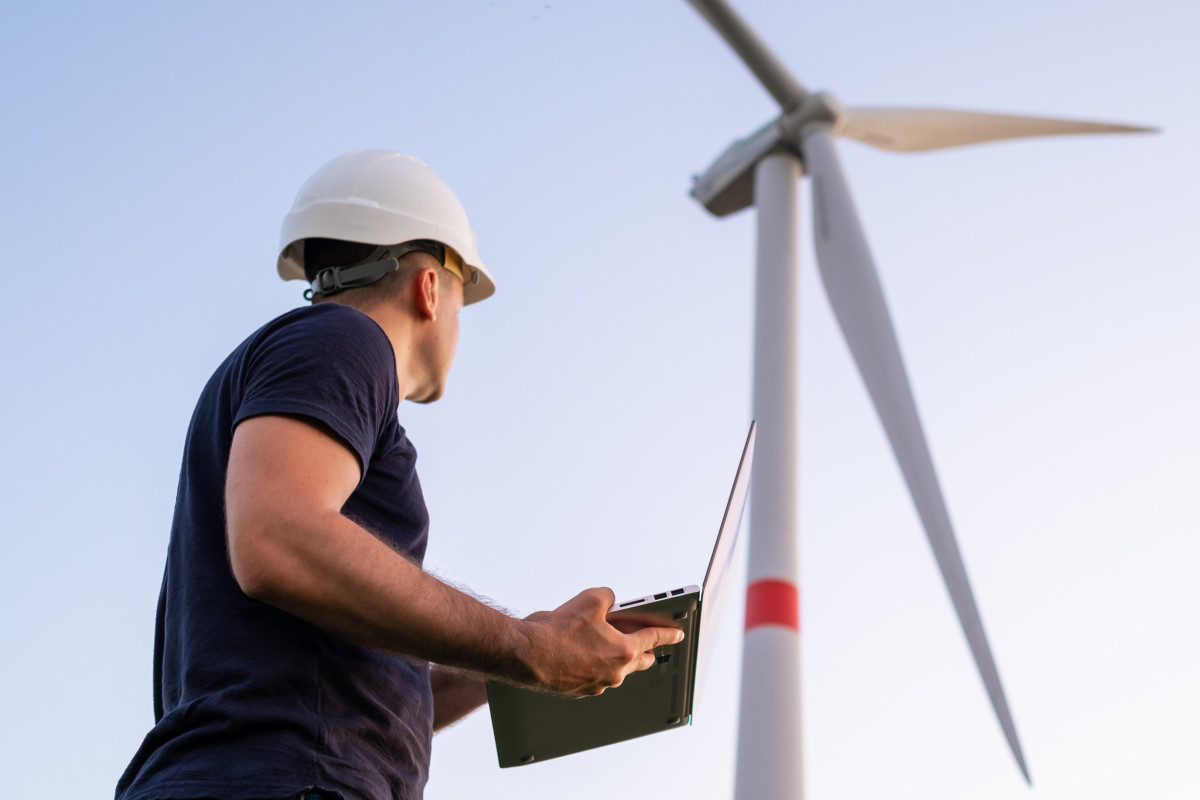
The global shift toward sustainable power generation is reshaping the workforce, and Vinova Wind Energy Recruitment is emerging as a key driver of employment in Australia's clean energy landscape. As the country accelerates its renewable transition, demand for skilled workers in wind energy projects is climbing across the construction, engineering, and operations sectors.
Recruitment firms, developers, and educational institutions are responding to this shift by investing in new training pathways, workforce planning, and targeted hiring strategies. Among them, Vinova continues to strengthen its position as one of Australia's leading renewable energy specialists, supporting employers in building capable teams that deliver on project timelines and sustainability commitments.
Wind energy now accounts for more than a third of all renewable electricity generation in Australia, with over 100 wind farms operating across the country and more in development. With onshore and offshore wind capacity expanding in nearly every state, wind energy recruitment is essential to ensuring these projects are staffed, built, and maintained efficiently.
Workforce requirements span multiple phases of project development. In the early stages, recruitment focuses on civil engineers, environmental planners, geotechnical surveyors, and legal advisors. During construction, the need shifts to crane operators, turbine assembly specialists, safety officers, and electrical technicians. Once operational, long-term roles emerge in asset management, monitoring, and maintenance.
Wind energy projects are often located in regional areas where open landscapes and consistent wind conditions support large-scale turbine installations. This geographic factor makes workforce planning more complex, as employers must recruit candidates willing to travel or relocate, and provide support for temporary or permanent housing near project sites. At the same time, clean energy employment opportunities are growing in urban centers where project planning, supply chain logistics, engineering design, and remote asset monitoring are handled.
Key technical roles include turbine technicians, commissioning engineers, mechanical fitters, and electrical supervisors. These positions typically require a mix of trade qualifications, safety training, and experience working in outdoor or high-altitude environments. Non-technical roles such as project schedulers, procurement officers, quality assurance inspectors, and environmental compliance specialists are also essential. In many cases, transferable skills from other industries—such as mining, construction, aviation, or maritime operations—are valued.
Renewable energy specialists play a critical role in ensuring wind projects are delivered safely, efficiently, and on time. These individuals possess advanced technical knowledge and industry insight that allows them to manage complex variables such as weather impact, regulatory compliance, and equipment performance. In the context of wind energy recruitment, renewable energy specialists are not just candidates; they are often advisors, trainers, and team leaders who help upskill other workers and promote best practices on site.
As wind energy projects span years from design to operation, workforce planning has become a critical component of project success. Employers now require more than short-term hiring solutions; they need long-term staffing strategies that address each phase of project development and anticipate future workforce needs. Wind energy recruitment firms assist with this planning by mapping talent availability, monitoring certification trends, and tracking project timelines.
Despite significant growth, wind energy recruitment faces challenges related to skills shortages, geographic constraints, and training infrastructure. To address these challenges, recruiters are adopting proactive outreach strategies, including working with training providers to align curriculum with industry needs, engaging with career changers, and partnering with Indigenous and community employment programs to broaden candidate diversity.
Common certifications include working at heights, confined space entry, high-voltage awareness, CPR and first aid, and machinery operation. Many employers also require site-specific inductions and familiarity with energy compliance frameworks. Recruiters add value by pre-screening candidates and guiding those who need additional training before entering the job site.
Building an inclusive workforce is becoming a priority in energy staffing. Women, Aboriginal and Torres Strait Islander peoples, veterans, and younger job seekers are all underrepresented in many clean energy roles. Wind energy recruitment is evolving to address these gaps by creating equitable hiring pathways and removing barriers to entry.
Technology is becoming central to the recruitment and staffing process. Digital platforms allow recruiters to match candidates to roles based on qualifications, location, and availability. Applicant tracking systems, workforce planning tools, and certification databases help streamline hiring and maintain compliance with industry standards. Recruitment analytics are also being used to identify trends, measure candidate performance, and forecast hiring needs.
Preparing the next generation of renewable energy specialists requires a strong education-to-employment pipeline. Universities, technical colleges, and registered training organisations are expanding course offerings in wind energy, electrical systems, environmental science, and project management. Wind energy recruitment firms work closely with these institutions to identify high-potential candidates and shape programs that align with real-world project demands.
Vinova Wind Energy Recruitment is more than filling roles. It is a strategic component of Australia's energy future. As wind projects scale up and diversify, the industry needs a workforce that is prepared, certified, and aligned with the technical and cultural demands of modern energy systems. Through proactive hiring, training partnerships, and a commitment to inclusion, Vinova is helping deliver safe, efficient, and future-ready clean energy infrastructure.