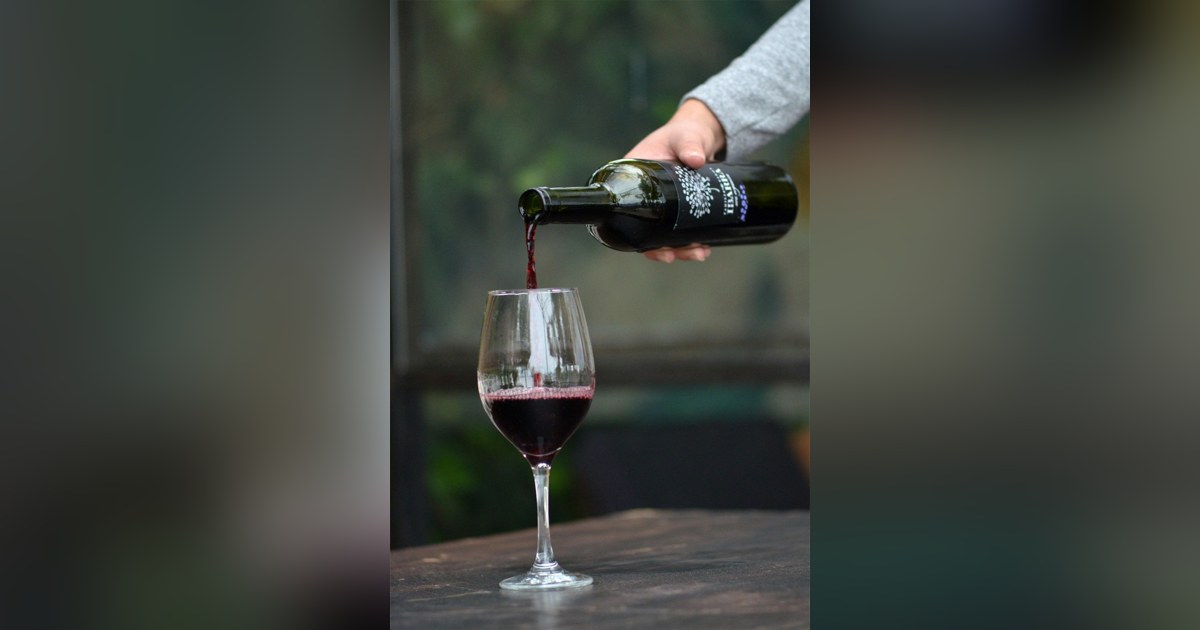
As the fall and holiday season approaches, wine consumption tends to rise, and with it, questions about mindful drinking. To address this, 10Musica has published an updated nutrition breakdown answering how many calories are in a glass of wine. The refreshed guide provides concrete numbers by wine type and pour size, aiming to help consumers make informed decisions without guesswork.
The guide reveals that calorie counts vary meaningfully depending on the type of wine poured. Red wines generally fall in the range of approximately 120 to 130 calories per standard five-ounce serving, with fuller-bodied varieties tending toward the higher end due to elevated alcohol and residual sugar content. White wines typically register slightly lower, running from roughly 110 to 125 calories per five ounces, though sweet white styles can exceed that range considerably. Sparkling wines, including dry varieties, often come in at approximately 90 to 120 calories per serving, making them among the lower-calorie options when poured at a standard measure. Rosé wines occupy a middle ground, generally comparable to lighter white wines.
The primary driver of these differences is alcohol content, which delivers approximately seven calories per gram—more than carbohydrates but less than fat. Residual sugar adds extra calories in sweeter styles, which is why a late-harvest or dessert wine can reach well above 200 calories per serving.
One of the more practical sections of the guide addresses how serving size dramatically changes the calorie picture. A standard pour is defined as five ounces, but research consistently shows that home and restaurant pours frequently exceed that amount, sometimes reaching seven or even nine ounces. At those volumes, a wine that delivers 120 calories at a five-ounce pour can approach 170 to 215 calories before a second glass is considered. The guide frames this as a common source of underestimation when people assess their intake in real-world settings. It also notes that glass shape can influence pour size, with wider bowls associated with larger pours. For consumers tracking intake during the holiday season, the resource recommends using a measured pour as the baseline rather than estimating by eye.
"With the holidays approaching, a lot of people are looking at their overall calorie picture more carefully, and wine is often a blind spot," said Anas Hameed, editorial lead at 10Musica. "Our goal with this updated guide was to give readers concrete numbers by wine type and pour size so they can make informed decisions without having to guess."
The guide positions wine within the broader context of a calorie-aware diet by comparing a standard pour to other beverages. A five-ounce glass of dry red wine is broadly comparable in calories to a light beer but lower than most cocktails mixed with sugary additions. Wine contains no fat and minimal protein, meaning nearly all its calories come from alcohol and, in sweeter styles, sugar. For individuals following specific calorie targets, a single five-ounce pour of a dry wine can fit within most moderate-intake frameworks, while multiple pours or sweeter varieties require more deliberate accounting.
The seasonal timing of the publication reflects the reality that per-capita wine consumption tends to rise during the October-through-December period, making the information particularly relevant for consumers navigating holiday gatherings and festive meals. By providing clear, accessible breakdowns, 10Musica aims to help readers make informed everyday decisions about their drinking habits.